
Defibrillator Market to Reach USD 16.44 Billion by 2030
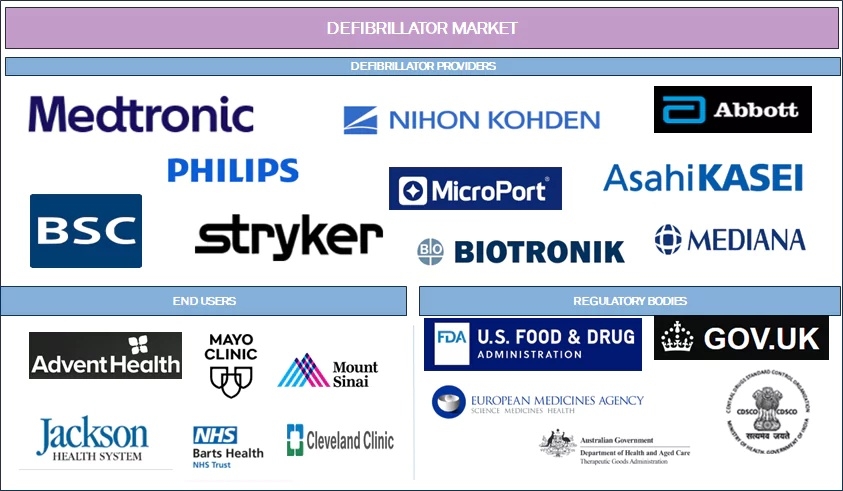
The global defibrillator market, valued at US$11.29 billion in 2024, reached US$11.99 billion in 2025 and is projected to grow at a steady CAGR of 6.5% from 2025 to 2030, ultimately attaining a value of US$16.44 billion by the end of the forecast period. This growth is primarily driven by the increasing prevalence of cardiovascular diseases (CVDs), a rising aging population prone to cardiac arrest, and strong government initiatives aimed at improving access to defibrillators. Public access defibrillator programs, enhanced training initiatives, and expanding healthcare infrastructure—particularly in emerging economies—are further supporting market expansion. Additionally, ongoing collaborations among key market players and technological advancements in device design and functionality are expected to create new growth avenues in the coming years.
Download PDF Brochure-https://www.marketsandmarkets.com/pdfdownloadNew.asp?id=549
Rising Cardiovascular Disease Burden Driving Defibrillator Adoption
Cardiovascular diseases remain one of the leading causes of mortality worldwide, significantly contributing to the demand for defibrillators. The growing prevalence of lifestyle-related conditions such as hypertension, diabetes, obesity, and dyslipidemia has accelerated the incidence of cardiac complications globally. Projections indicate a sharp rise in the number of individuals affected by cardiovascular conditions over the coming decades, emphasizing the urgent need for effective emergency cardiac care solutions.
In emerging regions, particularly across Asia, the burden of cardiovascular disease has increased substantially due to sedentary lifestyles, dietary changes, rising stress levels, and increased consumption of alcohol and tobacco. For instance, India has reported significantly higher rates of coronary artery disease mortality compared to global averages, driven by genetic predisposition and socioeconomic factors. Additionally, the rapidly growing geriatric population further amplifies the risk of ventricular arrhythmias and sudden cardiac arrest, necessitating widespread adoption of defibrillators.
Implantable Cardioverter Defibrillators (ICDs) have emerged as a cornerstone in long-term cardiac care. These devices continuously monitor heart rhythms and automatically deliver corrective shocks when life-threatening arrhythmias occur. Technological advancements such as MRI compatibility, remote monitoring, extended battery life, and AI-enabled arrhythmia detection have enhanced their clinical effectiveness and patient convenience. As a result, ICDs are expected to dominate the market, supported by increasing clinical indications and favorable reimbursement policies in developed regions.
Emerging Markets and Technological Advancements Unlock New Opportunities
Emerging economies present significant growth opportunities for defibrillator manufacturers due to improving healthcare infrastructure, rising awareness of cardiac health, and increasing government investments. Countries such as China, India, and Southeast Asian nations are witnessing a surge in cardiovascular cases, creating strong demand for both implantable and external defibrillators. Strategic expansion initiatives by key players, including the establishment of regional subsidiaries and partnerships, are enabling companies to strengthen their presence in these high-growth markets.
Regulatory frameworks in many emerging regions are becoming more supportive, offering simplified approval processes and fewer barriers to market entry. Combined with increasing urbanization and public health spending, these factors are fostering the adoption of defibrillators in hospitals, ambulances, and public spaces. Government-led initiatives to deploy automated external defibrillators (AEDs) in high-traffic areas and promote CPR training programs are also contributing to improved emergency response systems.
At the same time, innovation remains a critical growth driver in developed markets. Companies are focusing on next-generation devices equipped with cloud connectivity, real-time monitoring, and enhanced user interfaces to improve patient outcomes. These advancements are expanding the use of defibrillators beyond traditional hospital settings into home care and community-based applications, further broadening the market scope.
Request Sample Pages-https://www.marketsandmarkets.com/requestsampleNew.asp?id=549
Challenges Persist Amid Product Recalls and Limited Awareness
Despite strong growth prospects, the defibrillator market faces several challenges that could hinder its expansion. One of the key concerns is the increasing frequency of product recalls due to manufacturing defects, software issues, battery malfunctions, and connectivity problems. Several recalls have been classified as Class I by regulatory authorities, indicating serious risks to patient safety. These incidents not only disrupt supply chains but also impact clinician trust and highlight the need for stringent quality control and post-market surveillance.
Another significant challenge is the lack of awareness regarding sudden cardiac arrest, particularly in developing regions. Many individuals fail to recognize early symptoms or seek timely medical intervention due to limited healthcare access, financial constraints, and low health literacy. Inadequate availability of defibrillators in public spaces and insufficient CPR training further reduce survival rates during cardiac emergencies.
High device costs also remain a barrier to widespread adoption, especially in low- and middle-income countries where healthcare budgets are constrained. Addressing these challenges requires coordinated efforts, including increased investment in healthcare infrastructure, public awareness campaigns, and affordable device development.
From a segmentation perspective, the adult population continues to account for the largest share of the defibrillator market, driven by the high prevalence of cardiovascular diseases among individuals aged 60 and above. North America remains the dominant regional market, supported by advanced healthcare infrastructure, strong reimbursement frameworks, and high awareness levels. The region also leads in technological innovation, with major players introducing AI-enabled and connected defibrillator solutions.
Key players operating in the global defibrillator market include Medtronic (Ireland), Stryker (US), Koninklijke Philips N.V. (Netherlands), Asahi Kasei Corporation (Japan), Boston Scientific Corporation (US), Abbott (US), MicroPort Scientific Corporation (China), NIHON KOHDEN CORPORATION (Japan), Shenzhen Mindray Bio-Medical Electronics Co., Ltd. (China), Biotronik (Germany), CU Medical Systems, Inc. (South Korea), Mediana Co., Ltd. (South Korea), Progetti srl (Italy), Schiller AG (Switzerland), BPL Medical Technologies (India), Metrax GmbH (Germany), MS Westfalia GmbH (Germany), Bexen Cardio (Spain), Avive Solutions (US), AMI Italia (Italy), Metsis Medikal Ltd. (Turkey), Shenzhen Comen Medical Instruments Co., Ltd (China), corpuls (Germany), Allied Medical Limited (India), and Axion Concern LLC. (Russia).
As cardiovascular disease continues to rise globally, the defibrillator market is poised for sustained growth, driven by innovation, expanding healthcare access, and increasing awareness of life-saving cardiac technologies.
Related Markets
Media Contact
Company Name: MarketsandMarkets™ Research Private Ltd.
Contact Person: Mr. Rohan Salgarkar
Email: Send Email
Phone: 18886006441
Address:1615 South Congress Ave. Suite 103, Delray Beach, FL 33445
City: Florida
State: Florida
Country: United States
Website: https://www.marketsandmarkets.com/Market-Reports/automated-external-defibrillator-market-549.html
Press Release Distributed by ABNewswire.com
To view the original version on ABNewswire visit: Defibrillator Market to Reach USD 16.44 Billion by 2030
Information contained on this page is provided by an independent third-party content provider. XPRMedia and this Site make no warranties or representations in connection therewith. If you are affiliated with this page and would like it removed please contact [email protected]
