
Viral Shape Store Meme Sparks Mental Health Dialogue Which FasPsych Reveals in Latest Analysis
Scottsdale, AZ - March 12, 2026 - FasPsych, the leading telepsychiatry company, is dedicated to bringing cultural issues to the forefront through the analysis of popular memes like the shape store meme. By examining how the shape store meme reflects surreal absurdity in modern society, FasPsych educates individuals on its potential effects on mental health, encouraging introspection and prompting necessary treatment.
Unpacking the Shape Store Meme
Description of the Viral Phenomenon
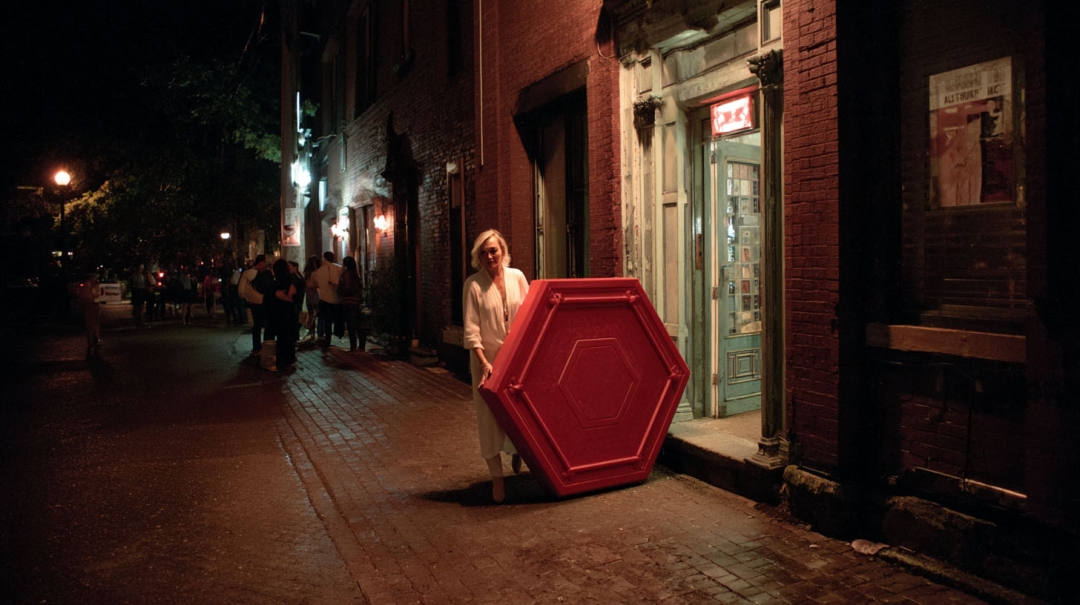
The shape store meme, which gained massive traction on social media platforms such as Instagram and X starting March 1, 2026, depicts a fictional retail haven filled with geometric shapes—hexagons, squares, circles, and more—in a nostalgic '90s aesthetic. Featuring elements like shape-themed bumper cars and oversized installations, the shape store meme evokes liminal spaces, blending whimsy with an undercurrent of eerie familiarity.
Core Psychological Themes
Psychologically, the shape store meme serves as a lens into themes of hauntology, anemoia, and cognitive dissonance, offering a temporary escape from digital overload. Hauntology refers to the lingering presence of past cultural ghosts, stirring a yearning for lost innocence and evoking nostalgia mixed with discomfort, as seen in the meme's ’90s-style footage contrasting with modern digital isolation. Anemoia, on the other hand, is nostalgia for a time or place one has never known, manifesting as a wistful affection for romanticized constructs like ’90s camcorder vibes or empty malls, particularly in AI-generated content like this.
Links to Specific Mental Health Conditions
FasPsych's exploration reveals connections to mental health conditions, including depersonalization-derealization disorder (DPDR), sensory processing in autism spectrum disorder (ASD), and perceptual distortions in schizophrenia. DPDR is a condition where the world feels unreal or detached, involving symptoms like observing life from afar, distorted perceptions of time and space, emotional numbing, and persistent fog or flatness—echoed in the meme's dreamlike disconnection. ASD involves differences in social communication and sensory processing, where patterns like geometric shapes provide comfort through sensory-seeking behaviors, hyperfocus on details, and potential overload in stimulating environments. Schizophrenia, a psychotic disorder, warps ordinary elements through positive symptoms like hallucinations—where benign objects gain exaggerated meaning—and disorganized thinking, leading to detachment from reality, much like the meme's absurd recontextualization of everyday shapes.
Reflecting Societal Anxieties and Providing Cognitive Relief
Through the shape store meme, FasPsych illustrates how cultural absurdity can mirror societal anxieties, promoting greater understanding of mental health impacts. The meme taps into cognitive relief through absurdity, acting as a mental reset in a world saturated with repetitive trends and information overload, where its pure nonsense "short circuits" the brain to resolve cognitive dissonance by embracing the illogical. It addresses deeper existential themes, portraying shapes as symbols of primal material wants and reflecting the futility of endless accumulation on the hedonic treadmill, where joy remains elusive despite abundance. In 2026's cultural landscape, the shape store meme resonates amid fatigue with "brainrot," ironic memes, and digital monotony. It highlights anxieties like escape from homogenized trends, social fragmentation, and the "cooked" reality of information overload, fostering adaptability by turning chaos into communal coping and validating experiences through humor and irony, especially for younger generations navigating anxiety and disappointment.
Cautions and Broader Cultural Implications
However, FasPsych cautions that over-reliance on such memes may distort reality, reducing nuanced issues to simplistic tropes and encouraging detachment, where irony hinders emotional processing in online echo chambers. The meme also underscores the AI vs. nostalgia conflict: a pull toward emotional security in idealized pasts versus excitement for AI-generated novelty, both stemming from a desire to escape the mundane present, blurring human-machine creativity and inspiring reflections on dream states.
Fostering Introspection on Mental Health
"At FasPsych, our mission is to help people introspect on their mental health through relatable cultural phenomena like the shape store meme," said a FasPsych spokesperson. "While the shape store meme entertains and builds community, it also underscores underlying issues such as dissociation, anxiety, and the blurring of reality in an AI-driven world. We encourage individuals to recognize these signs and seek professional treatment as needed."
FasPsych recommends that individuals seek mental health care if they feel they associate too closely with the shape store meme to the point of experiencing a significant emotional impact, or if they find themselves endlessly scrolling at night through variations of it. Such behaviors may indicate healthy engagement or could be symptomatic of underlying mental health conditions, and consulting a professional can help determine the difference.
Partnering Exclusively with Medical Facilities
FasPsych operates exclusively with medical facilities, including hospitals, clinics, correctional institutions, and residential treatment centers to provide telepsychiatry staffing. When partnering with these facilities, FasPsych collaborates closely with on-site medical staff to deliver integrated care. FasPsych assists clinicians in identifying and treating root causes of mental health challenges. This innovative approach integrates evidence-based care via secure, HIPAA-compliant virtual platforms, addressing conditions amplified by cultural memes.
Commitment to Public Health and Mental Health Staffing
FasPsych's commitment to public health shines through its mental health staffing solutions via telepsych, which improve quality of care for medical facilities and patients alike. Partnering with nearly 130 organizations across most U.S. states, including rural and tribal areas, FasPsych offers flexible services such as virtual assessments, crisis intervention, medication management, and psychotherapy. This model ensures accessible, high-quality mental health support aligned with American Psychiatric Association standards, all at no upfront cost to partners.
For deeper insights into the shape store meme and its mental health implications, visit https://faspsych.com/blog/the-shape-store-meme-a-psychological-exploration-of-surreal-absurdity/.
About FasPsych
FasPsych is the leading telepsychiatry company, linking licensed psychiatry professionals with organizations to deliver exceptional, evidence-based mental health care through secure virtual platforms. Focused on expanding access in underserved areas, FasPsych supports diverse settings like inpatient, outpatient, and crisis care, advancing public health with innovative solutions. Headquartered in Scottsdale, AZ, FasPsych collaborates nationwide to meet mental health needs with expertise and compassion.
Media Contact:
Michael Boyle
Phone: 480-970-9097
Website: https://faspsych.com/
Information contained on this page is provided by an independent third-party content provider. XPRMedia and this Site make no warranties or representations in connection therewith. If you are affiliated with this page and would like it removed please contact [email protected]
