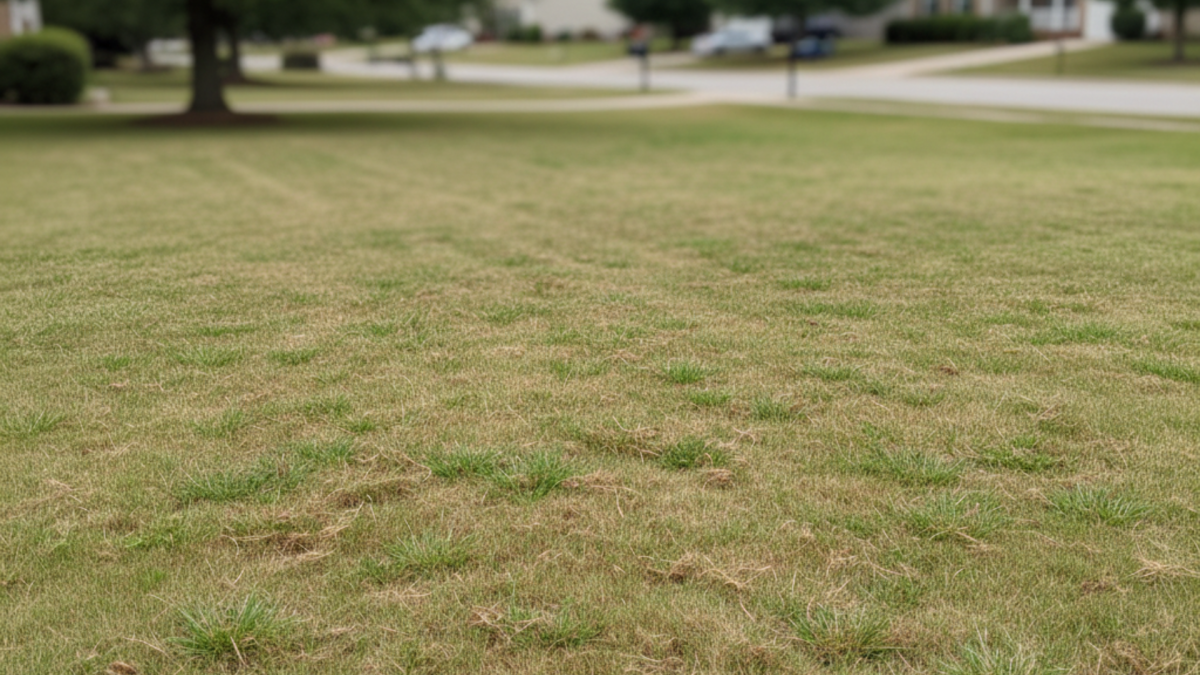
Homeowners across the Augusta area frequently encounter brown spots, discolored patches, and thinning grass in their lawns, often without understanding the underlying cause. Augusta Grass Masters has released an educational guide addressing the most common lawn problems in Georgia, helping residents distinguish between fungal diseases, insect damage, nutritional deficiencies, and environmental stress. The guide offers practical information on identification, prevention, and treatment approaches for the region's unique climate conditions.
The company's latest resource, what causes brown spots in Georgia lawns, provides homeowners with visual descriptions and diagnostic information for the most prevalent turf issues in the state. The guide emphasizes accurate identification as the foundation for effective treatment, noting that misdiagnosis often leads to wasted time and resources while problems continue spreading.
Understanding Why Lawn Problems Develop in Georgia's Climate
Georgia's warm, humid climate creates favorable conditions for several turf problems that affect bermudagrass, zoysiagrass, and centipedegrass. High humidity combined with warm nighttime temperatures encourages fungal growth, while the state's variable rainfall patterns can create both drought stress and overly wet conditions. Many homeowners assume all brown spots indicate disease, when the actual cause may be insect activity, soil compaction, poor drainage, or nutritional imbalances.
Brown patch disease represents the most widespread fungal problem in the region, typically appearing during hot, humid weather from late spring through early fall. The disease creates circular tan or light brown patches ranging from a few inches to several feet in diameter, often with a distinctive dark ring where active spreading occurs. Large patch affects zoysiagrass during moderate spring and fall temperatures, while dollar spot creates smaller circular areas during periods of heavy dew. Gray leaf spot and pythium blight round out the common fungal diseases seen across Georgia lawns.
Insect damage creates different visual patterns than disease. Grubs feeding on grass roots cause patches that peel back easily because root systems have been destroyed. Chinch bugs create yellowing areas that spread outward, particularly during dry weather. Armyworms and sod webworms consume grass blades rapidly, sometimes causing noticeable damage overnight during heavy infestations. These pest problems require different treatment approaches than fungal diseases, making accurate identification essential.
Established Services Address Multiple Lawn Health Factors
Augusta Grass Masters provides lawn care services that address disease prevention, pest management, and turf health maintenance. The company's lawn disease treatment program targets fungal problems through properly timed applications based on weather conditions and disease pressure. Licensed applicators use professional grade products that work more effectively than consumer options available at retail stores.
The fertilization program focuses on balanced nutrition that supports healthy grass without creating the lush, disease prone growth associated with excessive nitrogen. Applications are adjusted based on seasonal needs, grass type, and soil conditions. This approach helps turf develop the natural defenses needed to resist both disease and pest pressure throughout the year.
Aeration services improve soil compaction and enhance air circulation around grass plants, creating less favorable conditions for fungal disease development. The process also promotes deeper root growth, which helps grass tolerate environmental stress. Lawn insect control targets grubs, chinch bugs, and other pests before populations reach damaging levels. These services work together as part of comprehensive turf management rather than isolated treatments.
Focusing on Accurate Diagnosis and Targeted Solutions
The company's approach emphasizes professional diagnosis as the starting point for effective lawn problem resolution. What appears to be a single issue often involves multiple contributing factors. Poor drainage might create conditions favoring fungal disease, while compacted soil reduces the lawn's ability to recover. Over fertilization can make grass more susceptible to certain diseases, and improper watering practices extend the moisture periods fungi need to spread.
Augusta Grass Masters trains its team to identify the specific disease organisms, pest species, and environmental factors affecting each property. This detailed assessment informs treatment recommendations and helps address underlying conditions that make lawns vulnerable to recurring problems. The diagnostic process includes examining grass blade symptoms, checking soil conditions, looking for insect activity, and evaluating landscape factors like drainage patterns and shade levels.
Treatment plans developed by this locally focused lawn care company in the region are based on the specific problems identified rather than generic approaches. Fungal diseases require different products and timing than insect problems. Nutritional deficiencies need correction through targeted fertilization. Environmental issues may require changes to irrigation practices, aeration to relieve compaction, or landscape modifications to improve drainage. This customized approach produces better results than treating symptoms without addressing root causes.
Regional Considerations Shape Service Delivery
The Augusta region's specific climate patterns, soil types, and common grass varieties influence how lawn problems develop and spread. Professional lawn care services in Augusta account for these local factors when developing treatment programs and prevention strategies. Summer heat and humidity create peak conditions for brown patch and other fungal diseases, requiring vigilant monitoring and preventive applications during high risk periods.
Spring and fall present different challenges as temperatures moderate but moisture levels remain elevated. Large patch typically appears during these transitional seasons, particularly on zoysiagrass lawns. Insect activity follows seasonal patterns as well, with different pests becoming active at specific times throughout the year. Understanding these cycles allows for properly timed preventive treatments that interrupt pest and disease development before visible damage occurs.
Soil conditions vary across the region, affecting nutrient availability and drainage characteristics. Some areas have naturally acidic soils that benefit from pH adjustment, while others struggle with heavy clay that compacts easily. These site specific factors influence treatment recommendations and the overall lawn care approach needed for optimal results.
Building Long Term Turf Health Through Consistent Care
The company's service philosophy centers on creating healthy, resilient turf through consistent maintenance rather than reactive problem solving. Regular monitoring allows early detection when issues are easier and less expensive to correct. Preventive treatments reduce the likelihood of severe disease outbreaks or pest infestations that cause extensive damage requiring costly renovation.
Customer communication focuses on education about proper cultural practices that support lawn health between professional applications. Watering recommendations, appropriate mowing heights, and seasonal care adjustments help homeowners participate in maintaining their turf. This collaborative approach produces better outcomes than relying solely on chemical treatments without addressing management practices.
The company serves homeowners throughout the Augusta area who value professional expertise and reliable service. Many clients appreciate the convenience of scheduled maintenance that keeps their lawns healthy without requiring weekend work or product research. Others seek professional help after unsuccessful attempts to diagnose and treat persistent problems on their own.
Reliable Resource for Turf Problem Identification and Resolution
Augusta Grass Masters continues providing educational resources alongside its lawn care services, helping homeowners understand the problems affecting their properties. The brown spot identification guide represents part of ongoing efforts to share practical information about turf management in Georgia's climate. Accurate problem identification, targeted treatment approaches, and preventive maintenance form the foundation of effective lawn care in the region.
Homeowners experiencing persistent brown patches, unusual discoloration, or other lawn problems can contact Augusta Grass Masters at 706-916-3799 for professional evaluation. The company provides detailed assessments identifying specific issues affecting each property and develops treatment plans addressing both immediate problems and underlying conditions contributing to turf stress.