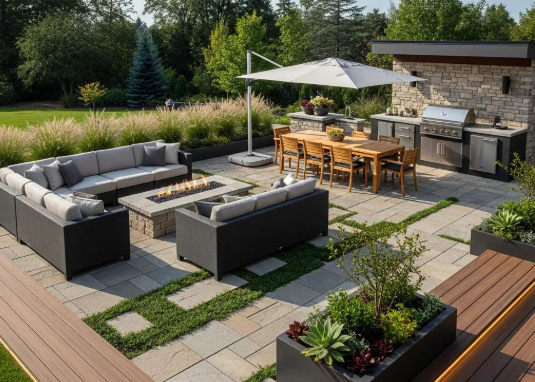
As we step into 2026, the world of landscape planning is evolving, reflecting a growing emphasis on sustainability and functionality. This article explores the latest outdoor design trends that will shape our gardens and outdoor spaces in the coming year. Readers will discover how to create beautiful, functional outdoor living areas that align with modern aesthetics and eco-friendly practices. The focus will be on innovative outdoor kitchens, sustainable landscaping, and the integration of hardscape and softscape elements. By understanding these trends, homeowners can enhance their outdoor spaces while contributing to environmental sustainability.
The increasing demand for outdoor living spaces is driven by a desire for functionality and aesthetic appeal. This article will delve into the leading outdoor living trends for 2026, sustainable landscaping practices, modern patio designs, and the latest in landscape lighting. Each section will provide insights into how these elements can transform your outdoor environment into a serene and inviting space.
What Are the Leading Outdoor Living Trends for 2026?
The outdoor living trends for 2026 emphasize a blend of functionality, sustainability, and aesthetic appeal. Homeowners are increasingly looking to create spaces that serve multiple purposes, from entertaining guests to enjoying quiet moments in nature. This year, the focus is on integrating outdoor kitchens and living spaces that enhance the overall experience of outdoor living.
How Are Outdoor Kitchens and Living Spaces Evolving?
Outdoor kitchens are becoming more sophisticated, featuring high-quality appliances and sustainable materials. Homeowners are opting for designs that seamlessly integrate with indoor spaces, creating a cohesive flow between the two. Technological advancements, such as smart appliances and outdoor heating solutions, are also becoming more common, allowing for year-round use. This evolution not only enhances the functionality of outdoor spaces but also elevates the overall aesthetic, making them ideal for entertaining and relaxation.
What Role Do Water Features and Fire Pits Play in Modern Designs?
Water features and fire pits are essential elements in contemporary outdoor designs, enhancing ambiance and providing focal points in gardens. These features contribute to a sense of tranquility and relaxation, making outdoor spaces more inviting. Additionally, they can be designed with sustainability in mind, using recycled materials and energy-efficient technologies. The integration of these elements not only beautifies the landscape but also promotes a sustainable approach to outdoor living.
How Can Sustainable Landscaping Enhance Your Outdoor Space?
Sustainable landscaping is a crucial aspect of modern outdoor design, focusing on eco-friendly practices that benefit both the environment and the homeowner. By incorporating native plants and water conservation techniques, homeowners can create beautiful landscapes that require less maintenance and resources. Sustainable landscaping not only enhances the aesthetic appeal of outdoor spaces but also contributes to long-term cost savings and environmental health.
Which Eco-Friendly Planting Practices Are Trending in 2026?
In 2026, eco-friendly planting practices are gaining traction, with a focus on native plant selection and water conservation techniques. Native plants are better adapted to local climates and require less water and maintenance, making them an ideal choice for sustainable landscaping. Additionally, practices such as xeriscaping, which involves designing landscapes to reduce water usage, are becoming increasingly popular. These methods not only promote biodiversity but also create vibrant and resilient outdoor spaces.
Further emphasizing the importance of water-efficient design, xeriscaping offers a comprehensive approach to sustainable landscaping.
How Does Sustainable Design Improve Energy Efficiency?
Sustainable design plays a significant role in improving energy efficiency in outdoor spaces. By utilizing energy-efficient materials and design strategies, homeowners can reduce their energy consumption and lower utility bills. For instance, incorporating shade trees and green roofs can help regulate temperature and reduce the need for air conditioning. These sustainable practices not only enhance the comfort of outdoor spaces but also contribute to a healthier environment.
What Are the Modern Patio and Hardscape Design Ideas for 2026?
Modern patio and hardscape designs are evolving to reflect contemporary aesthetics and functional needs. Homeowners are increasingly looking for materials and styles that offer durability and low maintenance while enhancing the beauty of their outdoor spaces. The integration of hardscape elements with softscape features is becoming a key focus, creating harmonious and visually appealing landscapes.
Which Materials and Styles Define Contemporary Patios?
Contemporary patios are characterized by the use of durable materials such as composite decking, natural stone, and permeable pavers. These materials not only provide aesthetic appeal but also offer practical benefits, such as ease of maintenance and environmental sustainability. Homeowners are also exploring various styles, from minimalist designs to more elaborate outdoor living areas that include seating, dining, and cooking spaces.
How Can Hardscape Elements Integrate with Softscape Features?
The integration of hardscape elements with softscape features is essential for creating balanced and functional outdoor spaces. For example, pathways made of natural stone can lead to lush garden beds, while retaining walls can provide structure and support for planting areas. This harmonious blend enhances the visual appeal of landscapes and ensures that both hardscape and softscape elements work together to create a cohesive outdoor environment.
What Are the Latest Landscape Lighting Trends to Illuminate Your Garden?
Landscape lighting is a vital component of outdoor design, enhancing safety and aesthetics while allowing homeowners to enjoy their gardens after dark. The latest trends in landscape lighting focus on energy efficiency and smart technology, providing innovative solutions for illuminating outdoor spaces.
How Does Energy-Efficient Lighting Transform Outdoor Ambiance?
Energy-efficient lighting options, such as LED fixtures, are transforming outdoor ambiance by providing bright, long-lasting illumination while reducing energy consumption. These lighting solutions can be strategically placed to highlight architectural features, pathways, and garden beds, creating a warm and inviting atmosphere. The use of timers and motion sensors further enhances energy efficiency, allowing homeowners to enjoy beautifully lit outdoor spaces without excessive energy use.
What Smart Lighting Innovations Are Available for 2026?
Smart lighting innovations are becoming increasingly popular in outdoor design, offering homeowners greater control over their lighting systems. Features such as remote access, programmable settings, and integration with home automation systems allow for customized lighting experiences. These advancements not only enhance convenience but also contribute to energy savings, making them an attractive option for modern outdoor living.
- Energy-efficient lighting uses LED fixtures that consume less power, helping reduce energy costs while lowering environmental impact.
- Smart controls provide remote access and programmable settings, enhancing convenience and allowing greater customization.
- Motion sensors automatically activate lights when movement is detected, improving safety while increasing overall energy efficiency.
The integration of these lighting innovations into outdoor spaces not only enhances functionality but also elevates the overall aesthetic, making gardens more enjoyable at night.
In conclusion, the landscape planning trends for 2026 reflect a growing emphasis on sustainability, functionality, and aesthetic appeal. By incorporating these trends into outdoor designs, homeowners can create beautiful and inviting spaces that enhance their quality of life while contributing to environmental sustainability. As we embrace these changes, the future of outdoor living looks brighter and more sustainable than ever.