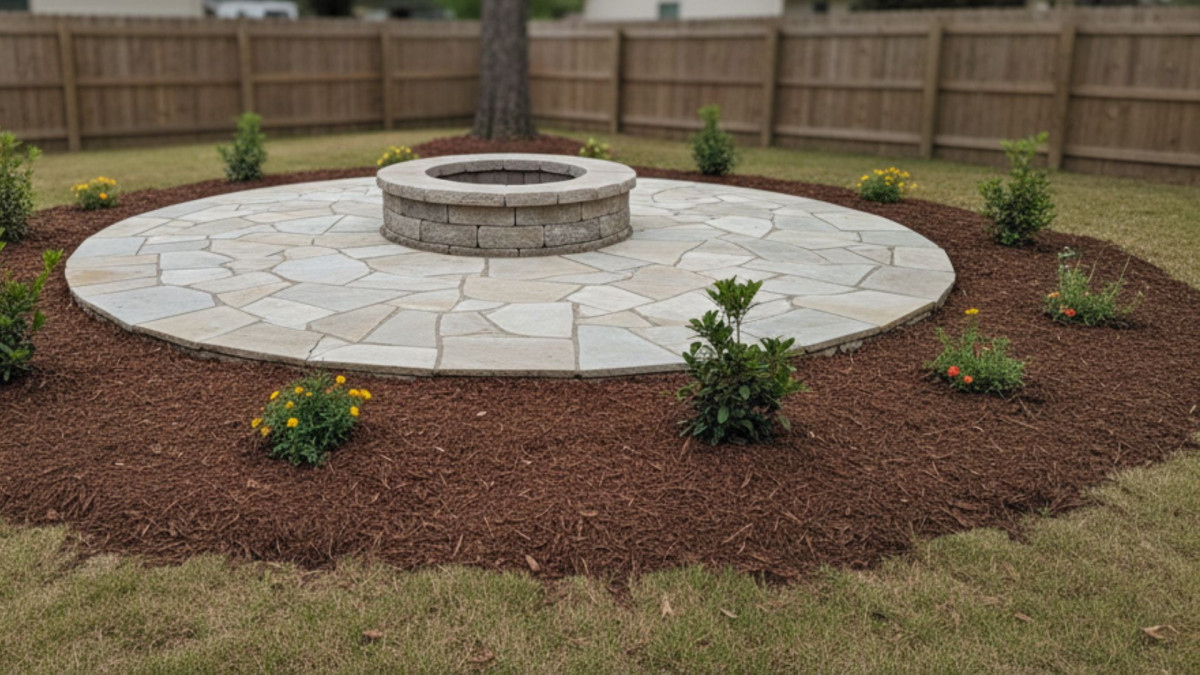
Homeowners in Graceville, Marianna, Chipley, and throughout the Florida Panhandle invest significantly in outdoor hardscapes. Paver patios, natural stone features, fire pits, pergolas, retaining walls, and outdoor living spaces add both value and functionality to properties. These outdoor investments represent substantial financial commitments, often ranging from thousands to tens of thousands of dollars depending on scope and materials. However, these investments require consistent seasonal care and maintenance to preserve their integrity and appearance over time. Understanding winter hardscape maintenance helps homeowners avoid expensive damage and prevent costly repairs that become necessary when winter protection is neglected. December presents an ideal window for assessment and protection before winter weather intensifies and creates conditions that damage unprotected surfaces.
How Winter Weather Damages Hardscapes
Florida's mild winters can deceive homeowners into thinking hardscape protection isn't necessary. While extreme cold rarely occurs compared to northern states, freeze-thaw cycles still occur frequently enough to cause significant damage. The pattern is gradual but relentless. Water enters paver joints, stone pores, and gaps in hardscape installations. Temperature drops below freezing, causing water to expand as ice. This expansion pushes pavers apart, cracks grout, and creates pressure that fractures stone. The freeze-thaw cycle repeats multiple times throughout winter as temperatures fluctuate above and below freezing. Each cycle causes incremental damage that accumulates over months. By spring, the cumulative effect becomes visible through shifted pavers, widened joints, cracked surfaces, and structural movement.
Moisture accumulation accelerates deterioration beyond freeze-thaw effects. Winter rain soaks into unsealed pavers and natural stone regularly. In coastal areas and properties near saltwater, salt spray corrodes metal elements like fire pit grates, fireplace surrounds, and metal furniture supports. Algae and moss grow on shaded hardscapes in the humid Florida Panhandle environment, trapping moisture in cracks and joints. This biological growth weakens structural integrity by retaining water that causes continued freeze-thaw damage and surface deterioration. Mineral deposits from water exposure stain surfaces, creating discoloration that becomes permanent if not addressed.
Drainage issues compound these problems significantly. Water pools near pavers and patios rather than flowing away from structures. Standing water penetrates stone, freezes, and causes heaving or cracking that destabilizes the entire hardscape. Poor grading around hardscapes sends water toward foundations instead of away from them. These drainage problems that seem minor in December create significant foundation concerns, water infiltration risks, and costly structural damage by spring. Foundation cracks, basement moisture, and settlement issues often trace back to hardscape drainage failures that went unaddressed during winter.
What Hardscapes Need in Winter
Different hardscape elements require different protection approaches based on their material composition, location, and existing conditions. Paver and stone surfaces benefit significantly from sealing before winter weather arrives. Quality sealers create a protective barrier that prevents water infiltration into porous materials and reduces stain penetration from mineral deposits, algae, and organic material. Sealed surfaces shed water more effectively and resist freeze-thaw damage better than unsealed surfaces.
Fire pits and outdoor fireplaces need thorough inspection for structural integrity, corroded metal components, and deteriorating mortar that holds components together. Winter is an ideal time for this assessment before spring and summer use begins. Metal components exposed to moisture and temperature changes show corrosion patterns that require either protective coating or component replacement.
Pergolas and outdoor structures require comprehensive evaluation of wood condition, fastener security and corrosion, paint or stain deterioration, and overall structural stability. Wood exposed to winter moisture absorbs water, expands, and can warp or rot if not protected. Fasteners corrode without proper maintenance, compromising structural safety.
Drainage around hardscapes should be assessed and corrected to ensure water flows away from features and structures consistently. This includes checking grading, cleaning drainage paths, and identifying areas where water collects. Joint maintenance in paver installations involves removing debris, leaves, and organic material that traps moisture. Mulch and stone bed maintenance ensures proper water drainage and prevents moisture accumulation that leaches toward hardscapes.
These maintenance approaches address root causes of hardscape failure rather than treating visible symptoms after damage has already occurred. Preventive work in winter costs significantly less than emergency repairs in spring.
Regional Timing and Conditions
Florida Panhandle weather creates specific hardscape challenges. Moisture is constant. Temperature variations stress materials differently than stable climates. Rainfall is seasonal but significant. Humidity accelerates material degradation. Freeze-thaw cycles, while less severe than northern winters, still damage unprotected hardscapes.
Winter conditions actually make professional assessment easier. Soil is cooler but not frozen. Rain allows sealers to cure properly. Contractors have greater availability. Work completed in December protects against whatever winter and spring bring. Delayed maintenance means rushed spring work and higher costs when problems demand immediate attention.
Hardscape protection services available in the region address these regional conditions. Understanding how Florida's seasonal patterns affect stone, pavers, metal, and wood elements guides proper maintenance decisions.
Common Hardscape Problems Homeowners Encounter
Shifted pavers indicate freeze-thaw damage, settling, or inadequate base preparation beneath the installation. When homeowners notice pavers that are higher or lower than adjacent pavers, or that have moved horizontally, freeze-thaw cycles and moisture damage are likely causes. Widened joints between pavers show significant paver movement or inadequate base preparation that allowed movement. Stains and discoloration on stone surfaces result from water infiltration, mineral deposits left by evaporating water, and oxidation. Rust on fire pit grates and fireplace surrounds comes from moisture exposure and temperature cycling that promotes corrosion.
Algae and moss growth indicates moisture retention problems in shaded areas. While algae doesn't immediately damage hardscapes, it traps moisture and accelerates deterioration. Cracked pavers or grout lines suggest water damage and repeated freeze-thaw cycles that weakened materials. Spalling on stone surfaces, where the surface layer breaks away in flakes or chunks, means water infiltrated the stone, froze, and broke the surface from inside out. Tilting or heaving indicates structural issues from water damage underneath or inadequate compaction of base materials.
Deteriorating mortar in fire pits and outdoor fireplaces creates both aesthetic and safety concerns. Mortar erosion allows water infiltration and structural instability. Foundation or patio settlement near the home signals significant drainage problems that allow water to accumulate near foundations. Foundation cracks, basement moisture, and structural movement often trace back to hardscape drainage failures. Water pooling in hardscape areas indicates grading or drainage failure that requires correction. These visible problems develop gradually through winter and become obvious by spring when repair costs are highest and contractors are overwhelmed with work.
Taking Action Before Spring
Homeowners should assess their hardscapes now rather than waiting for problems to emerge through freeze-thaw cycles. December provides the ideal window for inspection, maintenance planning, and corrective work before winter weather intensifies. Property owners in Graceville, Marianna, Chipley, Bonifay, Enterprise, and Dothan should evaluate whether their hardscapes need sealing, drainage correction, joint cleaning, or structural inspection.
A comprehensive hardscape assessment examines each element systematically. Are pavers or stone surfaces sealed or showing water penetration? Do joints contain debris or show widening? Is grading directing water away from hardscapes? Do fire pits or fireplaces show corrosion or mortar deterioration? Are pergolas or outdoor structures showing wood damage or loose fasteners? Do drainage areas around patios and features function properly?
Professional assessment identifies specific needs before weather intensifies. This approach prevents reactive emergency repairs in spring and reduces overall maintenance costs significantly. Winter work completes before spring outdoor use increases and contractors become overwhelmed with new projects and emergency repairs. Completion in December or January positions homeowners to enjoy their hardscapes through spring and summer without the stress of discovering damage or dealing with contractor backlogs.
Next Steps for Hardscape Protection
Homeowners should contact Countryside Lawn Care at (850) 813-4482 to schedule a hardscape assessment. Visit mycountrysidelawn.com for information about hardscape protection and maintenance services. You can also connect directly through their service area information to learn more about what's available. Taking action now on hardscape protection prevents expensive damage and ensures outdoor features remain beautiful and functional through all seasons.