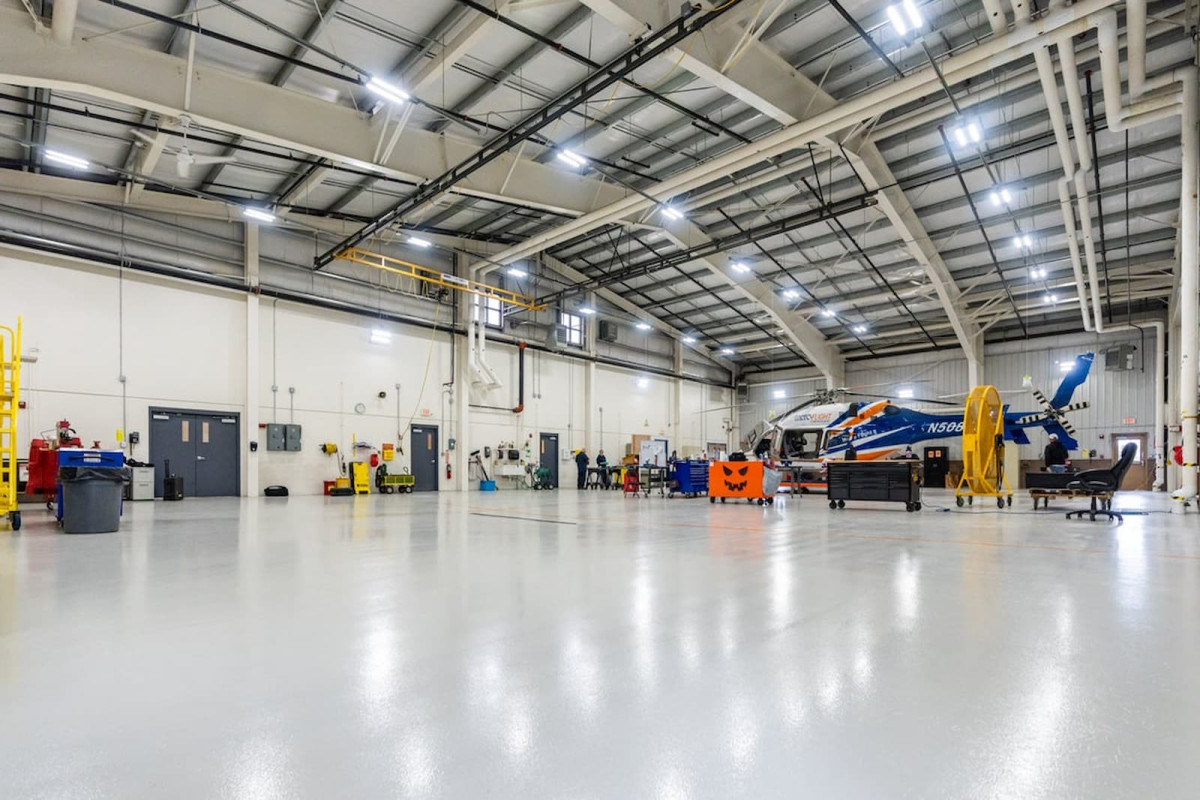
Industrial epoxy floor coatings have long been the go-to solution for factories, warehouses, and commercial facilities because they provided a durable, seamless surface that improved cleanliness and chemical resistance compared to bare concrete. For many years, epoxy offered a reliable balance of strength, affordability, and performance, making it a practical standard for industrial environments.
However, industrial facilities have changed. Today’s operations involve heavier equipment, constant forklift traffic, tighter maintenance schedules, and less tolerance for downtime. As these demands increase, many decision-makers are questioning whether traditional epoxy coatings are still the most effective long-term solution. While epoxy remains useful in certain controlled environments, modern polyurea and polyaspartic coating systems are increasingly proving to be better suited for high-demand facilities.
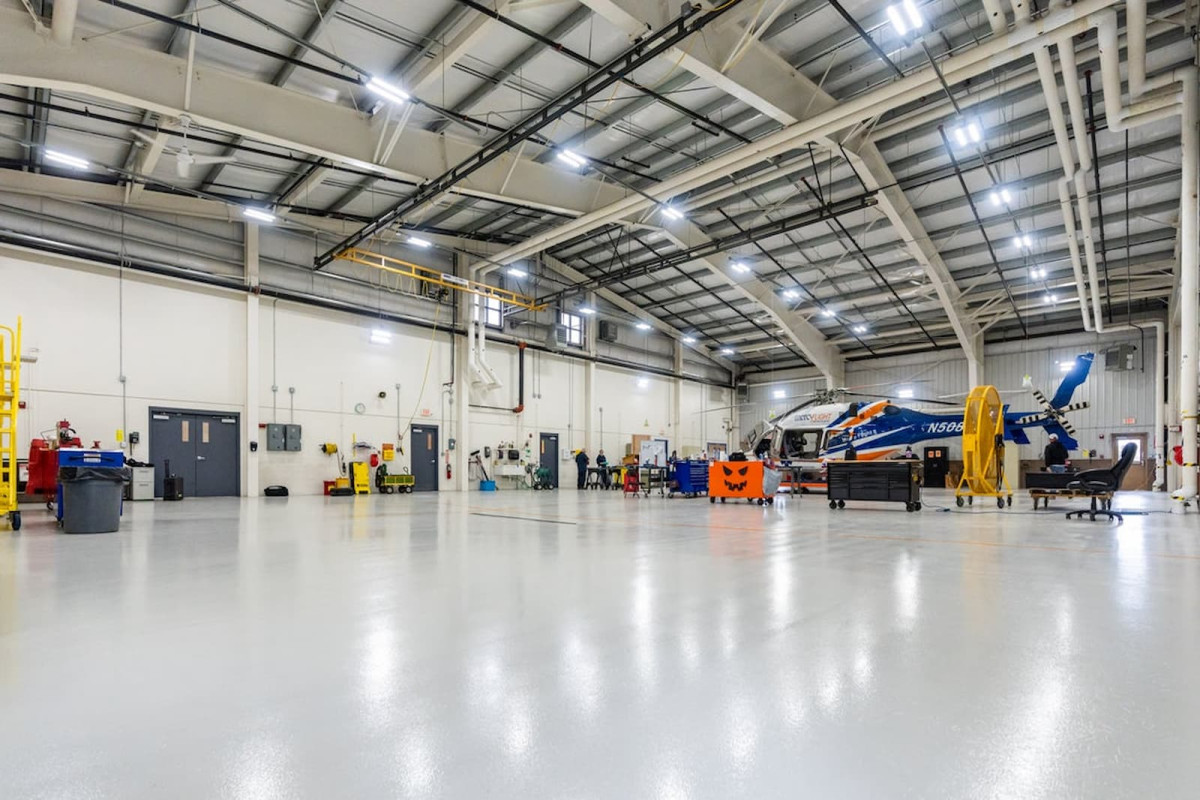
The main limitation of epoxy lies in its rigidity. Although strong, epoxy does not flex well when concrete expands, contracts, or shifts under stress. Over time, this can lead to cracking, chipping, and surface wear, particularly in areas exposed to heavy traffic or repeated impacts. Repairs often require downtime, labor, and recurring costs, which can disrupt operations and add up over the life of the floor.
Modern industrial coating systems address these issues directly. Polyurea and polyaspartic coatings cure faster, allowing facilities to return to service much sooner. Their added flexibility helps them absorb stress instead of fracturing, which extends the usable life of the floor in demanding conditions. These systems also offer improved resistance to moisture, chemicals, and environmental fluctuations, making them better suited for facilities that experience spills, washdowns, or changing temperatures.
Another important factor is long-term appearance and maintenance. Epoxy floors can discolor or yellow over time, especially in areas exposed to light or chemicals. Modern systems are engineered to maintain color consistency and surface integrity longer, reducing the need for frequent refinishing. This is especially valuable in customer-facing or highly visible spaces where appearance matters.