What Is a Sump Pump?
Basements and crawl spaces sit where groundwater tends to collect first, making them especially vulnerable to flooding during storms or rapid snowmelt. A properly sized sump pump system moves unwanted water away from the structure before it reaches flooring, stored items, or mechanical equipment. This post outlines how a sump pump works and the benefits it provides, compares the main types of primary pumps, and explains why a secondary or backup option often belongs in a complete flood-prevention strategy. Use this brief overview as a starting point when planning sump pump installation or upgrades.
Benefits of Sump Pumps
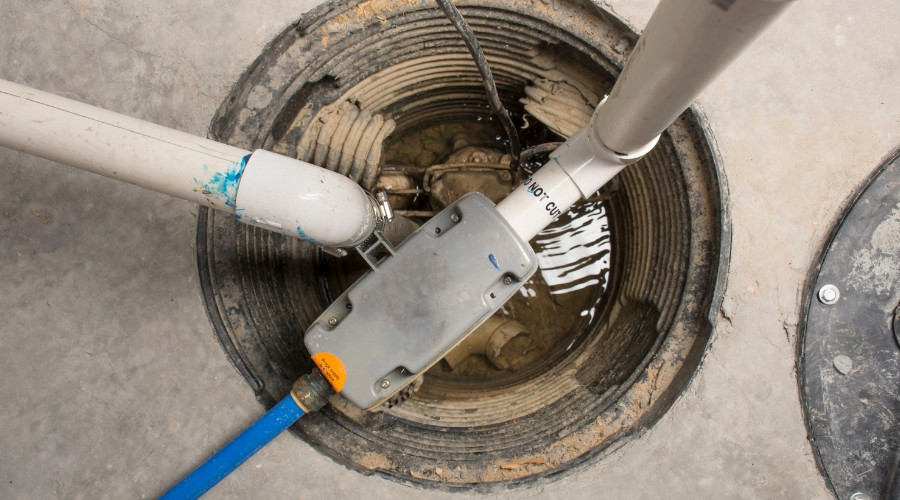
 A sump pump rests in a sump pump basin at the lowest point of the basement or crawl space. As water seeps into the pit, the sump pump float switch rises and activates the motor, which discharges water safely outdoors through a drain line.
This simple process delivers several important benefits:
- Flood prevention during heavy rain or plumbing mishaps
- Protection for the foundation by relieving the hydrostatic pressure around the walls
- Defense for finished living areas, furniture, and stored belongings
- Reduced the likelihood of mold and mildew growth in chronically damp zones
By continuously moving groundwater away from the structure, a dependable sump pump system helps keep lower levels dry and usable year-round.
Types of Primary Sump Pumps
 Most homes rely on one of two styles for everyday pumping: the submersible sump pump or the pedestal sump pump.
A submersible sump pump sits completely underwater inside the pit. This design is typically more powerful, handles debris better, and runs very quietly because the surrounding water muffles sound. The trade-offs include higher equipment cost and more complex replacement when service is needed.
A pedestal sump pump keeps the motor positioned above the basin on a narrow column. Only the intake pipe sits in the water. Pedestal units usually cost less upfront and often have a longer lifespan because the motor avoids constant moisture. However, they are generally less powerful than submersible models and operate with more noticeable noise. During sump pump installation, an experienced plumber can evaluate space, budget, and flooding risk to recommend an appropriate primary pump.
Secondary or Backup Sump Pumps
Even a quality primary pump has limits. Heavy storms, mechanical failures, or a tripped breaker can leave a basement unprotected just when water levels rise the fastest. Adding a backup sump pump creates a second line of defense.
Common options include:
- A secondary electric pump sharing the same sump pump basin
- A unit with a dedicated sump pump battery backup
- A water-powered sump pump backup tied into the plumbing system
A backup sump pump with an independent power source continues running when outages occur, buying valuable time until full service is restored. For properties with a history of flooding, layered protection often proves far less costly than repairing severe water damage later.
About RupCoe Plumbing, Heating & Air Conditioning
RupCoe Plumbing, Heating & Air Conditioning provides quality workmanship to meet all of South Plainfield’s plumbing, HVAC, and generator needs. Their trusted technicians are licensed and insured and offer fast turnarounds, so that customer satisfaction is guaranteed. Call them today for upfront pricing when you schedule sump pump repair and installation in South Plainfield, NJ.