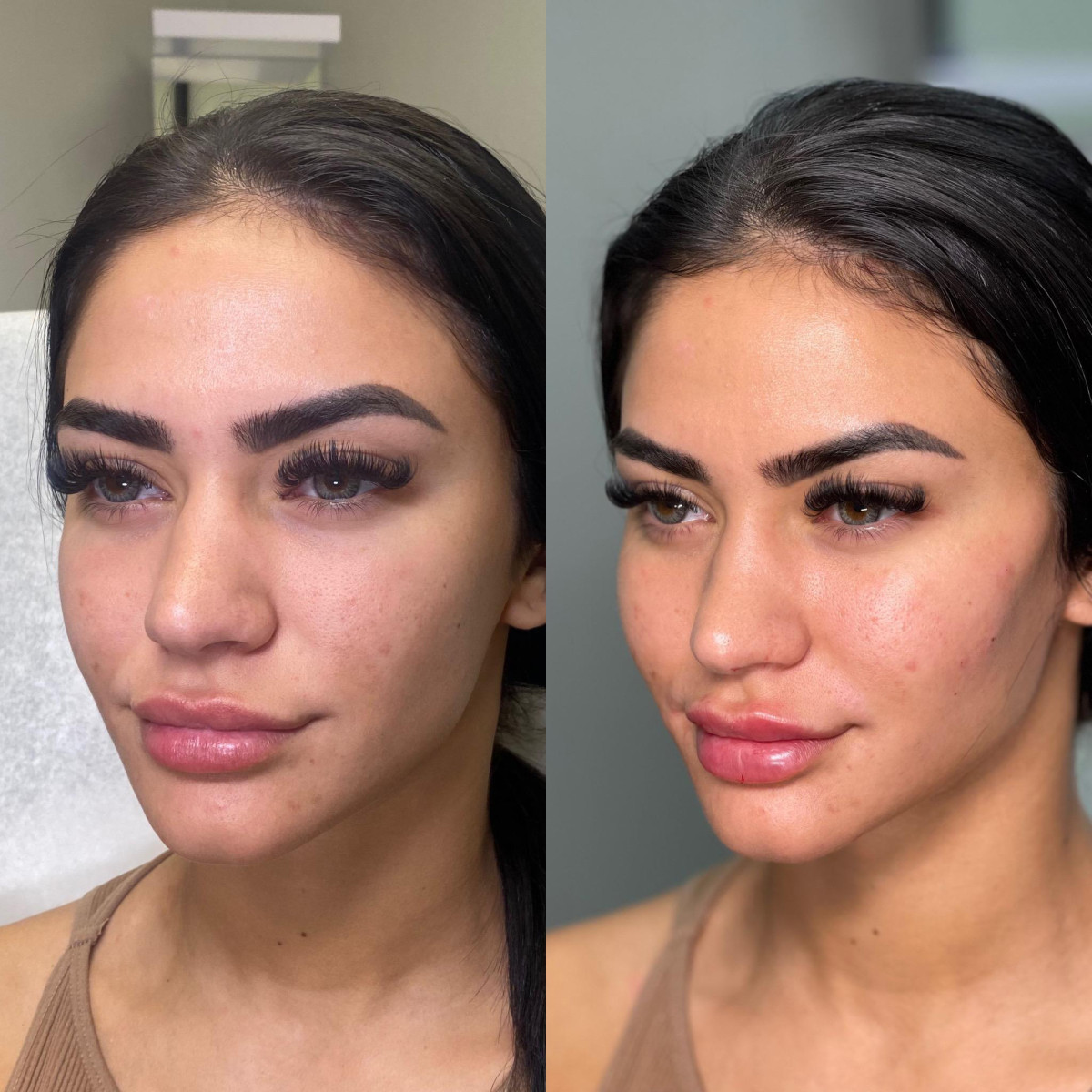
Dermal fillers have been around for years and continue to grow in popularity as more people notice early changes in their face, like flatter cheeks or deeper lines around the mouth. These shifts happen as collagen and facial volume naturally decrease with age. Fillers offer a quick and nonsurgical way to smooth wrinkles and restore a fresher look.
Most patients want subtle, natural changes that help their face look more rested without making it look different. Dermal fillers work beneath the skin to support areas that have thinned or hollowed, giving a soft and balanced result that blends with your own features.
In this article, you’ll learn what dermal fillers do, the different types available, how long results last, and what to consider before choosing an injector.
Understanding Dermal Fillers: What They Are and How They Work
Before you decide on any dermal filler procedure, it helps to understand what these products actually do and why they work so well. Each filler used today has a specific purpose and a unique way of supporting the structure of your skin.
What Dermal Fillers Are
Dermal fillers are injectable dermal fillers that add structure, restore volume, and smooth wrinkles and folds. According to the Cleveland Clinic, these soft tissue filler products are absorbed by the body over time and must be refreshed. Dermal fillers include several FDA-approved options, and each type of dermal filler serves a different purpose depending on the areas of the face you want to treat.
Types of Dermal Fillers
The most commonly used dermal filler is hyaluronic acid. HA fillers like Restylane and Juvederm are naturally occurring sugar molecules that help the skin stay hydrated and plump.
Some fillers include calcium hydroxylapatite, which supports deeper wrinkles and skin folds because it provides more structure.
Other fillers include poly L lactic acid, such as Sculptra. These filler products stimulate collagen production and improve facial wrinkles gradually. PMMA fillers are also available, although not used as often, because they can last many years.
How Fillers Work Under the Skin
Fillers work by supporting facial volume in areas affected by loss of volume. As collagen decreases and facial fat shifts, the skin on your face loses support. Injectable filler restores that foundation so wrinkles and folds soften.
These techniques improve contour and help lift specific areas that hollow or sag with age. Fillers can also define the jawline, fill in facial wrinkles around the mouth, soften nasolabial folds from the sides of the nose to the corners of the mouth, and brighten beneath the eyes.
Safety Guidelines and What to Expect
Your safety matters, and the Food and Drug Administration provides guidance on the proper use of dermal fillers. The FDA states that dermal fillers are used only by licensed medical professionals trained to inject dermal fillers safely.
Serious side effects are rare, although common side effects include mild redness, swelling, or a bruise at the injection site. A qualified dermal injector helps reduce these risks and selects the type of filler used based on your anatomy and your goals.
The Benefits of Dermal Fillers
Most patients want to know what fillers can realistically improve, so let’s look at the benefits you can expect from a well-planned treatment.
Restoring Facial Volume and Youthful Contours
Loss of facial volume happens slowly and often shows up first in the cheek area. When the mid face flattens, the whole face can look tired. Dermal fillers to restore volume help re-support the cheeks and naturally lift the lower face.
This lift improves the shape and balance of your features. Patients often say they look more rested and feel more like themselves again.
Reducing Fine Lines, Wrinkles, and Folds
Lines and wrinkles start to form as collagen decreases and the skin creases repeatedly. Soft tissue fillers used to fill deeper wrinkles and skin folds soften these areas so you see smoother skin.
Wrinkle fillers treat folds around the mouth and nose, including nasolabial folds and marionette lines. When these areas soften, the face looks smoother and more open.
Enhancing Lips, Cheeks, Jawline, and Under Eye Area
Injectable filler can enhance facial balance by improving lip shape, correcting asymmetry, or adding hydration. Cheek fillers improve contour while jawline fillers refine definition.
Treating beneath the eyes can reduce hollowing and shadowing caused by thinning soft tissue. These treatments restore harmony across the face instead of focusing on one single area.
Immediate Results with Minimal Downtime
You see improvement right after dermal filler injections. Mild swelling or redness may appear, but effects may settle within a few days.
Patients love that fillers can provide visible changes without needing plastic surgery or liposuction. It fits into a lunch break or a busy schedule.
Natural Looking Outcomes with Advanced Techniques
Natural outcomes depend on technique. Your esthetician should prioritize proportions, gentle contour shifts, and the use of dermal fillers in strategic layers of the skin. This keeps your results smooth and believable.
Areas Dermal Fillers Can Treat
Transitioning into treatment areas helps you understand how fillers can support specific concerns across the face.
Mid Face and Cheeks

Cheek fillers restore volume and shape that flatten with age. By supporting this region, you also see softer wrinkles and folds around the mouth and nose.
Lips

Lip fillers add hydration, shape, and symmetry. HA fillers work well here because they integrate smoothly into the soft tissue.
Chin and Jawline
A defined jawline improves overall facial balance. Fillers can provide sharper angles or correct a recessed chin without plastic surgery.
Nasolabial Folds and Marionette Lines

These wrinkles and folds deepen as facial fat shifts downward. Fillers used here reduce shadowing and smooth the skin on your face.
Under Eye Hollows
This delicate area requires precision. When treated correctly, filler beneath the eyes can reduce tired-looking shadows.
Hands
Loss of volume in the hands exposes veins and tendons. Fillers can restore a youthful look by softening the skin.
Safety, Risks and How Lux Mitigates Them
Every medical procedure has risks, and fillers are no different, so let’s go through the common reactions and how Lux keeps your treatment as safe as possible.
Common Side Effects
Side effects include swelling, redness, or tenderness. These effects may last a few days.
Rare Complications
The Food and Drug Administration warns about rare but serious side effects associated with dermal fillers. Jessica uses advanced safety protocols to reduce these risks.
Why You Need a Skilled Injector
A trained medical professional understands anatomy and knows how to prevent complications. This is essential when treating deeper wrinkles or specific areas of the face.
Results Timeline and Longevity
Most patients see changes right after their dermal filler treatment, although mild swelling may hide some details for the first day or two. Fillers are temporary and usually last anywhere from six to twenty-four months, depending on the filler products used, the area treated, and how your body metabolizes the material.
Factors like lifestyle, sun exposure, and general skin health also influence how long your results stay visible. You can keep your results looking fresh by scheduling maintenance visits and pairing fillers with other treatments that support facial rejuvenation.
Candidate Criteria: Are Dermal Fillers Right for You
Ideal candidates for dermal fillers are people who want to soften wrinkles and restore facial volume without surgery, but not everyone is a good match for treatment.
Certain allergies, infections, or medical conditions may prevent the use of fillers, and Jessica will review these factors during your consultation to keep you safe.
Some patients benefit from complementary options like neurotoxin or PDO threads if fillers alone cannot achieve the desired result. A thorough medical evaluation helps determine whether dermal fillers are appropriate for you and ensures that your treatment plan supports both your goals and your overall well-being.
Overview of Available Dermal Fillers
| Type of Filler | Common Brands | Best For | How Long It Lasts | Notes |
| Hyaluronic Acid | Restylane, Juvederm | Lips, cheeks, under eyes, fine lines | 6 to 18 months | Naturally occurring substance, reversible |
| Calcium Hydroxylapatite | Radiesse | Deep wrinkles, jawline, cheeks | 12 to 18 months | Provides structure and stimulates collagen |
| Poly L Lactic Acid | Sculptra | Facial volume loss | Up to two years | Gradually stimulates collagen |
The Dermal Filler Process at Lux Injectables
A smoother explanation of the process helps you understand what to expect from start to finish.
Personalized Consultation and Aesthetic Analysis
Jessica evaluates your facial structure, medical history, and goals. She explains the type of filler used and what each option does for your specific areas of the face.
Creating a Customized Treatment Plan
She designs a step-by-step plan that focuses on facial rejuvenation and improving signs of aging. Every plan is unique because every face is different.
The Injection Experience
Jessica uses careful techniques to inject dermal fillers with minimal discomfort. You may feel pressure or a pinch, but most patients tolerate it well. Some filler products include lidocaine to help reduce discomfort.
Post Treatment Expectations
Mild swelling, redness, or bruising can happen. These common side effects fade quickly. Jessica gives clear instructions to support healing and protect your results.
Follow Up and Maintenance
Follow-up visits help Jessica assess your results and determine when you may need maintenance. Most fillers last up to two years, depending on the filler used and your metabolism.
What Makes Lux Injectables Different
Several key qualities make Lux Injectables a standout choice for dermal filler procedures.
- Expertise of Jessica Manges, ARNP – Ten years of dermatology and aesthetic medicine experience. Recognized as a Top 100 Injector. Known for natural-looking results that suit each patient’s features.
- Advanced Training and Global Recognition – Trains injectors across the U.S. and internationally. Strong teaching background that improves her precision and technique.
- Combination Treatments with PDO Threads and Neurotoxin – Uses neurotoxin or PDO threads when fillers alone are not enough. Helps support deeper tissues and create longer-lasting results.
- Thousands of Successful Transformations – Extensive portfolio showing improvements in fine lines, wrinkles and folds, facial volume, and contour. Experience allows her to customize every face.
- Commitment to Safety and Personalized Care – Follows strict medical protocols and uses FDA-approved dermal fillers. Selects the type of filler based on your anatomy, not trends.
Frequently Asked Questions
1. Are dermal fillers safe?
Yes. Dermal fillers are approved by the Food and Drug Administration when used by trained professionals.
2. How long do dermal fillers last?
Most fillers last six months to two years depending on the filler product and treatment area.
3. Do dermal filler injections hurt?
Most patients feel mild pressure or a pinch. Many fillers include lidocaine to help with comfort.
4. What is the difference between dermal fillers and Botox?
Dermal fillers restore volume. Botox relaxes muscle activity that causes facial wrinkles.
5. Can fillers be dissolved if needed?
Hyaluronic acid fillers can be safely dissolved with hyaluronidase.
Unlocking Radiance at Lux Injectables
Dermal fillers are used to smooth wrinkles, restore volume, and enhance facial contours without surgery. When you choose a skilled medical provider, you get results that look natural and match your facial structure. Jessica’s experience, training, and caring approach make Lux Injectables a trusted place for facial rejuvenation in Clearwater.
If you want a refreshed look that still feels like you, dermal filler injections can help you reach that goal safely and confidently.
To learn what treatment plan fits your features, you can schedule a consultation with Lux Injectables and get personalized guidance before moving forward.