What to Know About a Furnace Overheating
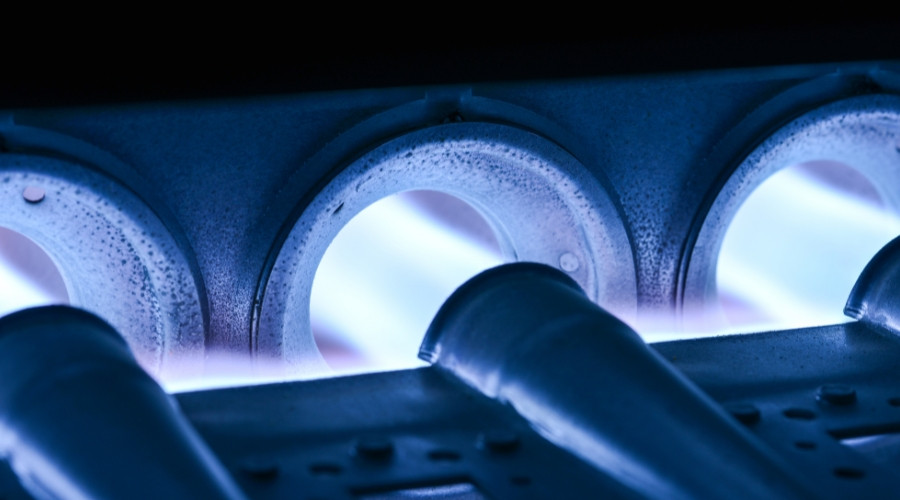
When temperatures drop, a dependable furnace becomes the backbone of indoor comfort, but excess heat inside the system can spell trouble. A furnace overheating can harm components, threaten safety, and disrupt seasonal routines. This overview explains the risks of an overheating furnace, common warning signs, and practical steps that help prevent the system from starting to overheat. With a basic understanding of how furnaces respond under stress, homeowners can make informed decisions about inspections, repairs, and furnace maintenance.
Risks of an Overheating Furnace
An overheating furnace places every major part of the system under strain. Continuous extreme temperatures can warp metal housings, damage wiring, and burn out motors, leading to expensive repairs or even early furnace replacement. In severe cases, insulation or nearby stored items may ignite, raising the chance of a dangerous fire that spreads beyond the heater cabinet.
Overstress on the heat exchanger is another serious concern. Cracks or gaps may allow carbon monoxide to escape from the combustion chamber and enter indoor air, increasing the risk of carbon monoxide poisoning. Repeated overheat episodes also shorten system life, create more frequent breakdowns, and leave living spaces without consistent heat during the coldest days.
Signs of an Overheating Furnace
 Recognizing trouble early helps prevent long outages and major damage. One of the most common warning signs of furnace overheating is a persistent burning smell, often resembling hot dust or scorched plastic coming from supply registers or the unit itself. That odor can indicate wiring, insulation, or other materials getting too hot.
Unusual sounds from the cabinet also deserve attention. A loud humming, grinding, or high-pitched squeal can signal a blower motor or fan struggling against excess heat or restricted airflow. Another red flag is short cycling, when the furnace starts but does not complete a normal heating run and instead shuts off abruptly. Safety switches often trip to keep the unit from continuing to overheat, so frequent sudden shutdowns should never be ignored.
Ways to Prevent a Furnace From Overheating
 Simple preventive steps can reduce the likelihood of an overheating furnace. Regular furnace filter replacement sits at the top of that list. A clogged furnace filter restricts airflow, forcing the blower to work harder while heat builds inside the cabinet. Checking the filter often and installing a clean one whenever dust buildup is visible helps keep air moving freely.
Professional furnace maintenance adds another critical layer of protection. During a tune-up, a qualified technician can clean burners, confirm proper airflow, test safety controls, and inspect the heat exchanger for damage that could lead to a carbon monoxide leak. Technicians also check exhaust venting and gas connections for conditions that might contribute to an overheat event or increase fire risk. Keeping storage boxes, paint, and flammable supplies away from the furnace area further lowers the chance of accidental ignition.
About E.F. Winslow Home Services
E.F. Winslow Home Services is a trusted, family-owned and operated plumbing, heating, cooling, and electrical company serving South Yarmouth and the surrounding Cape Cod. With trustworthy technicians providing on-time and emergency service, they are there when you need them most. Call them today to schedule furnace tune-up and repair services in South Yarmouth, MA.