As a homeowner, you’re certainly aware of the importance of having a waterproof home. You’ve invested in a professional waterproofing system, but are you doing enough to maintain it? If you’re not, don’t worry – it’s not as intimidating as it might seem. By simply scheduling regular checks, cleaning your gutters, and keeping an eye on the components of your system, you can guarantee its longevity. Yet, there are more ways to maximize its effectiveness and lifespan. Interested in learning how? Let’s explore further.
Key Takeaways
- Regularly inspect waterproofing components like seals, joints, and sump pumps for signs of damage.
- Schedule annual professional inspections to identify potential issues in the waterproofing system.
- Regularly clean and unclog drains, and maintain sump pumps to prevent water buildup and foundation damage.
- Monitor and address minor repairs promptly to avoid larger issues and ensure optimal performance of the waterproofing system.
- Understand the basics of the repair process and keep records of receipts, contracts, and warranties when hiring professionals for repairs.
Understanding Your Waterproofing System
While you may not give it much thought, understanding your waterproofing system is fundamental for maintaining the integrity of your home. It’s not just about keeping you dry during a storm, but it’s also about preventing costly structural damage in the long run.
 You see, your home’s waterproofing system is a complex, multi-layered defense mechanism. It starts with the roof, which is your first line of protection against heavy rains. Then there’s the siding that shields your exterior walls. Windows and doors also have their unique waterproofing features.
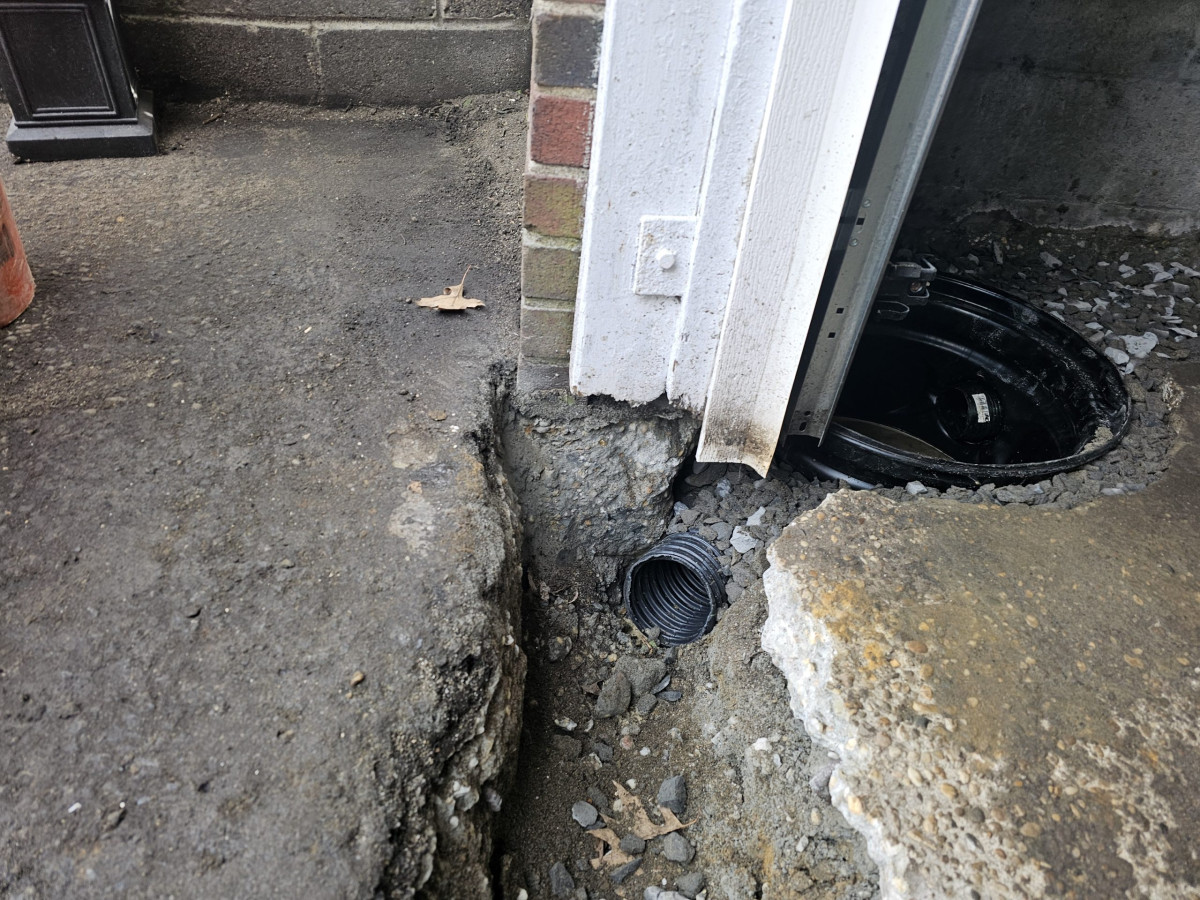
Then, we’ve the home’s foundation. It’s essential to guarantee it’s also waterproofed to prevent moisture from seeping into your basement or crawl spaces. This is where things like sealants, drainage systems, and sump pumps come into play.
It’s not just about exterior waterproofing, either. Your interior plumbing system also plays a crucial role in keeping your home dry. Leaky pipes can cause serious water damage if left unchecked.
Don’t forget, each component of your waterproofing system must work together to effectively keep water out. So, it’s important to understand how these components interact and support one another.
Regular Inspection and Maintenance
Now that you’ve got a grasp on your home’s waterproofing system, it’s time to put that knowledge to use. Regular inspection and maintenance are key to guaranteeing your system’s longevity and efficacy.
Get familiar with your system’s components. Is there a sump pump or a French drain? Perhaps there’s a sealant applied on your basement walls. Whatever it is, learn its lifespan and be mindful of its condition.
Don’t wait for a leak to happen before you act. Keep an eye out for signs of wear and tear. Cracks or peeling could mean it’s time for a replacement or repair. Remember, early detection prevents costly damage.
Aside from visual checks, make it a habit to do performance tests. If you have a sump pump, pour a bucket of water into the sump pit to see if it’ll start. It’s essential to verify the system’s components are working as they should.
Also, consider having professionals inspect your system annually. They can spot potential problems and provide expert advice.
You’ve invested in a waterproofing system. Protect that investment through regular inspection and maintenance. It’s not just about saving money, it’s about preserving your home’s integrity.
Cleaning and Unclogging Drains
Every homeowner will face the challenging task of cleaning and unclogging drains at some point. This isn’t just a matter of comfort or convenience; it’s essential for maintaining your home’s waterproofing system. Clogged drains can lead to water buildup, which can seep into your home’s foundations and walls, potentially damaging your waterproofing system.
First, remember to clean your drains regularly. This means removing any visible debris and rinsing the drains with warm water.
Don’t forget to clean the drain covers too, as they can often collect dirt and debris.
When you notice your drain isn’t functioning as it should, it might be clogged. You can try unclogging it yourself using a plunger or a plumber’s snake.
Alternatively, you can use a mixture of baking soda and vinegar, followed by hot water. If you’re unable to unclog the drain, it’s best to call in a professional.
Checking Seals and Joints
Another essential step in maintaining your home’s waterproofing system involves checking seals and joints. These are the areas that can allow water to seep into your home if they’re not in good shape. So, it’s important to regularly inspect them to make sure they’re doing their job.
Now, you might wonder, where should you start? Begin with the areas around windows and doors. Over time, the seals can wear out or get damaged, leading to leaks.
Don’t forget to check the joints where different materials meet, such as where your brick wall connects to a concrete foundation. These joints can expand and contract with temperature changes, which may lead to cracks or gaps.
Grab a flashlight and do a thorough check. If you see any cracks or deteriorating sealant, it’s time for repairs.
You can easily do minor fixes yourself using a caulking gun and the right type of sealant. However, if the damage is extensive, you’re better off calling in a professional.
Maintaining the Sump Pump
Now, let’s move onto the important task of maintaining your sump pump.
You’ll need to know the essentials of cleaning to keep it running smoothly.
Also, regular check-ups are vital to prevent any unexpected failures.
Sump Pump Cleaning Essentials
Maintaining your sump pump isn’t just a good idea, it’s vital. A clean sump pump operates more efficiently and lasts longer, saving you the cost of premature replacement.
First, you’ll want to disconnect the pump from the power source to guarantee safety. Once done, remove the pump from the sump pit and place it on a tarp outdoors. Avoid using your home’s interior as dirt and debris can be quite messy.
Next, it’s time for cleaning. You’ll need a stiff-bristled brush, water, and mild soap. Scrub the pump thoroughly, being careful not to damage any parts. Pay special attention to the screen or grate located at the bottom where debris tends to accumulate.
After cleaning, rinse the pump with clean water. It’s vital to let the pump dry completely before reinstalling to prevent electrical shorts or other damage.
Lastly, pour white vinegar through the sump pump. This helps to break up any hard water deposits that may have formed.
Regular Sump Pump Check-ups
Consistency is the key to guaranteeing your sump pump’s longevity. Regular check-ups aren’t just recommended — they’re essential for detecting potential problems before they escalate.
Remember, you’re not just protecting a piece of equipment; you’re safeguarding your home from water damage.
To keep your pump up to the task, consider these key points during your regular checks:
- Inspect the power source: Guarantee your pump’s power cord is in good condition and correctly plugged into a ground fault circuit interruptor (GFCI) outlet.
- Check the pump action: Pour water into the sump pit until the pump activates. If it doesn’t kick in, there’s a problem.
- Look for obstructions: Debris can impact your pump’s efficiency. Regularly clean the screen or opening.
- Listen for unusual noises: A properly functioning sump pump should operate fairly quietly. Strange sounds could signal trouble.
- Examine the discharge line: Make sure it’s not blocked or frozen. If it is, water can back up into your home.
Your sump pump is the unsung hero of your home’s waterproofing system. Regular check-ups are a small price to pay for peace of mind and a dry basement.
Stick to a maintenance schedule and you’ll extend its lifespan.
Hiring Professionals for Repairs
When you spot damage in your waterproofing system, it’s essential to hire a professional for repairs.
Picking the right expert can be tricky, but we’ll guide you through it.
Then, we’ll walk you through what you can expect during the repair process.
Evaluating Waterproofing System Damage
Evaluating damage to your home’s waterproofing system can be an intimidating task. However, it’s an essential step to guarantee the longevity and safety of your home.
You don’t want to ignore potential problems. The sooner you detect and address the issues, the less likely they’ll escalate into costly repairs.
To start, you’ll need to know what signs to look for. Here are five common signs of waterproofing system damage:
- Water stains on walls or ceilings
- Damp or musty smell in your basement
- Mold or mildew growth
- Cracked or bubbled paint
- Pooling water or soggy ground near your home’s foundation
If you’ve noticed any of these issues, it’s time to take action.
It’s not advisable to undertake repairs yourself unless you’re a trained professional. Waterproofing systems are complex and require specialized knowledge and tools. Making a mistake can lead to further damage and even compromise the structural integrity of your home.
In the next section “Selecting a Repair Professional”, we’ll guide you on choosing the right expert to handle your waterproofing system repair.
But for now, understanding what to look for is your first step to a safer, drier home.
Selecting a Repair Professional
Recognizing the signs of damage to your waterproofing system is just the beginning. The next vital step is selecting a qualified repair professional. It’s not just about hiring someone who can do the job, but choosing someone who’ll do it right.
Firstly, start with a little research. Look for professionals who specialize in waterproofing systems. They’ll have the knowledge and experience necessary to properly identify and rectify your specific issue. You can find these professionals through online searches, or ask for recommendations from friends or family who’ve had similar work done.
Don’t be shy about asking potential hires for their credentials. A reputable professional won’t hesitate to share their certifications, licensing, and insurance information. Remember, you’re entrusting them with the integrity of your home. It’s your right to verify they’re qualified.
Be sure to get a few quotes before making your decision. While price shouldn’t be the only determining factor, it’s certainly an important one. However, don’t automatically go for the cheapest option. Consider the value you’re getting for your money. The professional’s expertise, reliability, and quality of work should be worth the cost.
Navigating the Repair Process
Once you’ve chosen your waterproofing professional, your journey into the repair process begins. It’s not just about hiring a pro. It’s about understanding what they’re doing, why they’re doing it, and how it’s going to protect your home against water damage.
Here’s a list of things you should do to navigate the repair process effectively:
- Understand the problem – Have your professional explain what’s wrong in terms you can understand. You’re not expected to be an expert, but you should know the basics.
- Know the process – Familiarize yourself with the steps they’re going to take to fix the issue. This will help you monitor the progress.
- Stay updated – Regularly check in with your professional to make sure everything is going as planned.
- Inspect the work – You don’t need to be an expert to notice if something doesn’t look right. If something seems off, don’t hesitate to question it.
- Keep records – Save all receipts, contracts, and warranties. You’ll need them in case something goes wrong later.
Navigating the repair process might seem overwhelming, but you’ve got this. It’s all about staying informed and involved. Your home’s worth it.
So, you’ve got the tools to keep your professional waterproofing system in top shape. Regular inspections, drain maintenance, checking seals, and sump pump upkeep are all essential. Don’t hesitate to call in the professionals for repairs. Remember, staying on top of these tasks can save you from costly damage down the line. Your home is your castle – keep it dry, safe, and secure with proper waterproofing maintenance.