Woodland Wanderers Highlights Growth of Nature-Based Curriculum in Rickmansworth
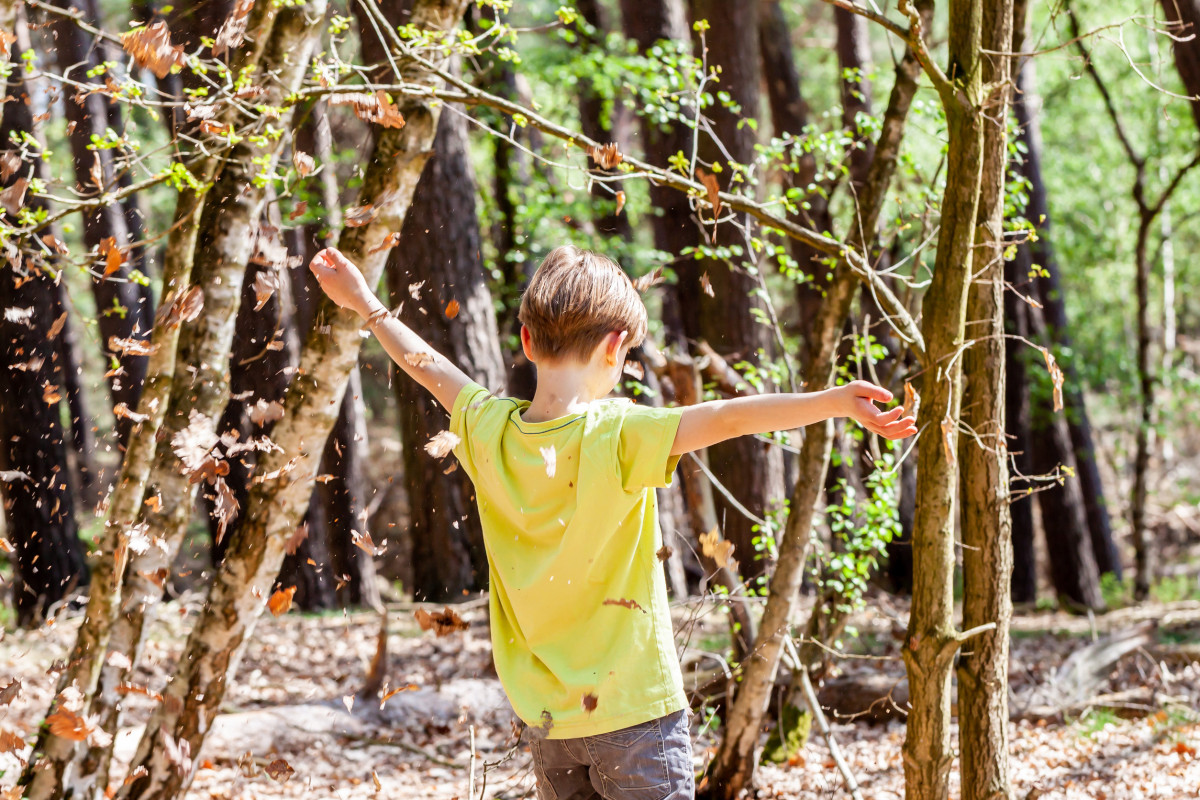
The rise of nature-based education has become a defining movement in the early years sector across the UK. In Rickmansworth, Woodland Wanderers has embraced this approach, integrating the outdoors into every aspect of learning. The school’s nature-based curriculum encourages curiosity, environmental awareness, and emotional development in young children through hands-on exploration in natural settings. As more families seek alternatives to traditional early education, Woodland Wanderers represents a model of sustainable and meaningful early years learning.
The Importance of a Nature-Based Curriculum in the UK
In the UK, the shift toward outdoor and nature-based learning continues to gain momentum. This educational model moves beyond the classroom, focusing on child-led discovery in natural environments. Woodland Wanderers in Rickmansworth has been at the forefront of this change, offering a curriculum that blends play, observation, and environmental connection. By learning through nature, children develop confidence, social skills, and problem-solving abilities in a setting that nurtures both body and mind.

What Makes the Nature-Based Curriculum Different
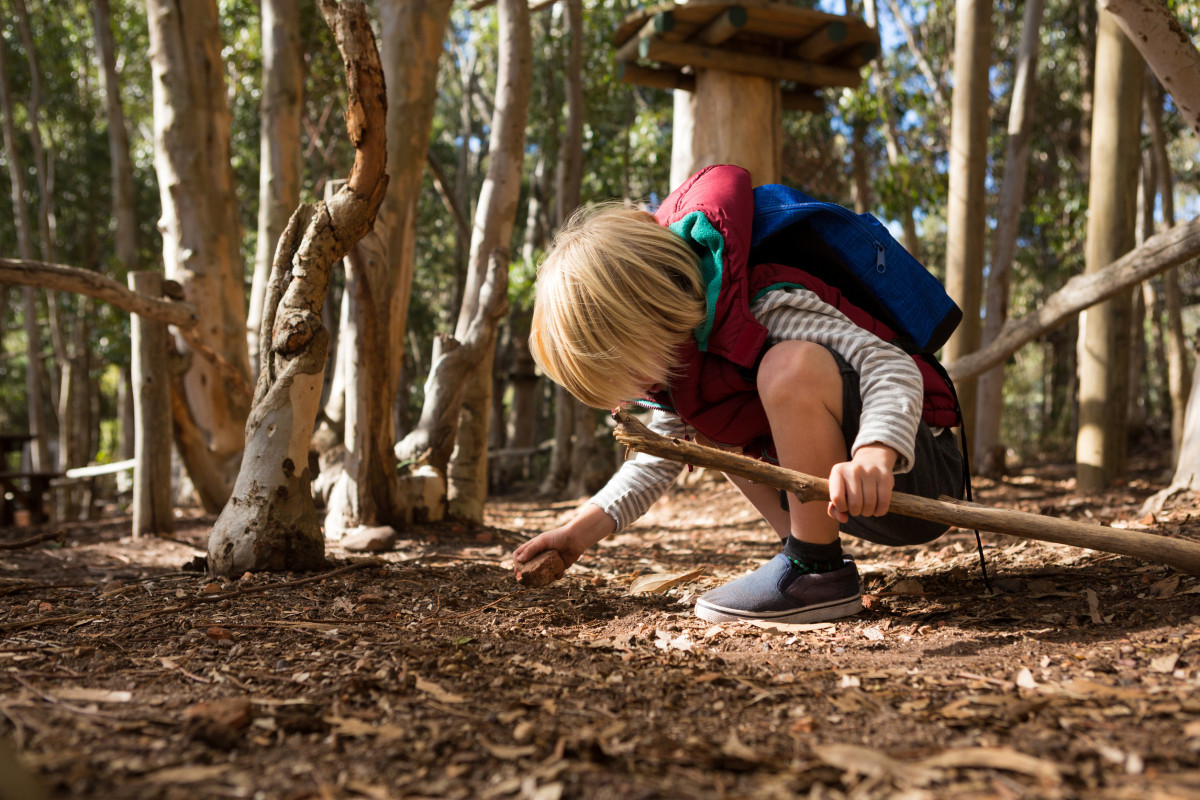
Unlike conventional nursery environments, a nature-based curriculum emphasizes experiential learning. Instead of relying solely on books or digital tools, children at Woodland Wanderers engage directly with the world around them. Whether building shelters from branches, identifying seasonal plants, or learning to observe wildlife safely, each activity connects learning outcomes to real-world experiences. This approach helps children form lasting emotional connections to nature while developing resilience and teamwork.
How It Benefits Families and Communities
Families in Rickmansworth have responded positively to the emphasis on outdoor education. Parents report that children who attend nature-based programs demonstrate improved concentration, communication, and empathy. Woodland Wanderers has also strengthened community connections by fostering a shared appreciation for local green spaces. These programs not only benefit individual children but also contribute to a wider community ethos that values sustainability cooperation, and respect for the natural world.
The Role of Woodland Wanderers in Promoting Forest School Principles
Forest schools in the UK have long been recognized for their ability to cultivate independence and adaptability in early learners. Woodland Wanderers’ forest school sessions in Rickmansworth exemplify these principles. Each session is structured around exploration, play, and guided learning. Qualified educators lead children through outdoor tasks designed to support cognitive growth and physical development.
Key Elements of the Forest School Approach
Child-Led Learning – Educators act as facilitators rather than directors, allowing children to follow their curiosity.
Regular Outdoor Sessions – Consistent time spent in nature builds familiarity, reducing anxiety and increasing confidence.
Risk Awareness – Activities teach safe risk-taking, fostering self-assessment and responsibility.
Sustainability Awareness – Lessons often include understanding ecosystems, seasons, and resource conservation.
Supporting Sustainable Early Years Education
Sustainable early years education is central to Woodland Wanderers’ teaching model. By embedding sustainability in everyday learning, children develop habits that align with environmental stewardship from an early age. This goes beyond recycling or eco-initiatives—it’s about helping children understand natural cycles, the importance of biodiversity, and their role as caretakers of their environment.
Outdoor Learning for Toddlers in Rickmansworth
Outdoor learning for toddlers forms a foundational part of Woodland Wanderers’ nature-based curriculum. In this phase, educators encourage exploration through sensory play and observation. The woodland environment provides endless opportunities for discovery—textures of bark, colors of leaves, sounds of wildlife—all contributing to early cognitive and emotional development.
Why Early Exposure to Nature Matters
Studies have shown that time spent outdoors in early childhood supports neural development, creativity, and problem-solving skills. At Woodland Wanderers, this philosophy is put into action daily. Through activities like guided walks, storytelling under the trees, and free play in safe woodland areas, toddlers learn through natural engagement rather than structured instruction.
Building Emotional and Social Growth
Outdoor environments naturally encourage collaboration and empathy. Children learn to work together, take turns, and solve challenges as a group. The sense of community that develops among the children mirrors the values that Woodland Wanderers promotes throughout its programs.
The Broader Impact of Nature-Based Education Across the UK
The success of institutions like Woodland Wanderers reflects a growing national trend. Schools and nurseries throughout the UK are increasingly integrating forest school principles into their curricula. This shift is driven by a recognition that nature-based learning enhances well-being and academic readiness.
Educational Research Supporting Nature-Based Curricula
Research across the UK consistently supports the idea that exposure to nature improves focus, language skills, and overall happiness in children. Outdoor learning encourages self-expression and reduces behavioural challenges often observed in traditional classroom environments.
Strengthening the Connection Between Nature and Learning
The philosophy at Woodland Wanderers underscores a vital point: nature and learning are deeply connected. The outdoor setting serves as both classroom and teacher, offering endless lessons through observation and experience. The result is not only academic growth but also the development of life skills that will serve children throughout their education and beyond.
Frequently Asked Questions – Nature-Based Curriculum UK
Q1: What is a nature-based curriculum in the UK?
A nature-based curriculum in the UK focuses on learning through direct interaction with the natural environment. It combines educational objectives with outdoor exploration, encouraging children to understand concepts through observation and play. At Woodland Wanderers, this method supports cognitive, social, and physical development while helping children build a meaningful connection to the natural world. This form of education is inclusive, adaptable, and aligned with the UK’s growing emphasis on child-centred, experiential learning practices.
Q2: How does a forest school in Rickmansworth differ from a traditional nursery?
A forest school in Rickmansworth, such as Woodland Wanderers, prioritizes outdoor experiences over classroom-based instruction. Children spend the majority of their time learning in natural woodland settings rather than indoors. The curriculum includes activities like building dens, exploring plants, and developing teamwork skills. This approach fosters independence, resilience, and curiosity. Unlike traditional nurseries, forest schools focus less on rigid schedules and more on the child’s pace, creativity, and personal engagement with their surroundings.
Q3: What are the long-term benefits of sustainable early years education?
Sustainable early years education helps children form lifelong habits that respect the environment and encourage social responsibility. In settings like Woodland Wanderers, children learn to appreciate the balance of nature and understand their role in maintaining it. Over time, this awareness shapes attitudes toward community, conservation, and well-being. The benefits extend beyond childhood, influencing lifestyle choices and future learning approaches that value mindfulness, cooperation, and respect for the planet.
Q4: How does outdoor learning for toddlers support development?
Outdoor learning for toddlers promotes sensory, emotional, and cognitive growth. Woodland Wanderers’ programs engage toddlers with textures, sounds, and sights that stimulate curiosity and awareness. Playing outside also strengthens motor skills and coordination. The natural setting encourages exploration and problem-solving, allowing young children to develop independence while still feeling supported by trained educators. Exposure to nature at an early age creates a foundation for emotional stability and positive relationships with learning environments.
Q5: Why is Rickmansworth an ideal location for a forest school?
Rickmansworth offers a blend of accessible green spaces and strong community engagement, making it an ideal setting for a forest school like Woodland Wanderers. The local environment provides diverse natural landscapes—from wooded areas to open fields—perfect for hands-on exploration. The town’s proximity to families seeking alternative early education options supports the growth of nature-based programs. This balance of accessibility and natural beauty ensures that children experience a safe, enriching, and educational outdoor environment throughout the year.
Final Thoughts on Woodland Wanderers
Woodland Wanderers’ focus on nature-based curriculum in the UK exemplifies a forward-thinking approach to early years education. By connecting children to nature, fostering curiosity, and nurturing sustainable values, the organization provides a model for holistic childhood development. As the demand for outdoor learning continues to rise, the programs offered in Rickmansworth stand as a testament to the transformative power of experiential, nature-driven education. Woodland Wanderers continues to demonstrate that learning among the trees is not just an alternative—it is an essential part of shaping confident, capable, and environmentally aware future generations.