What to Know About a Furnace Overheating
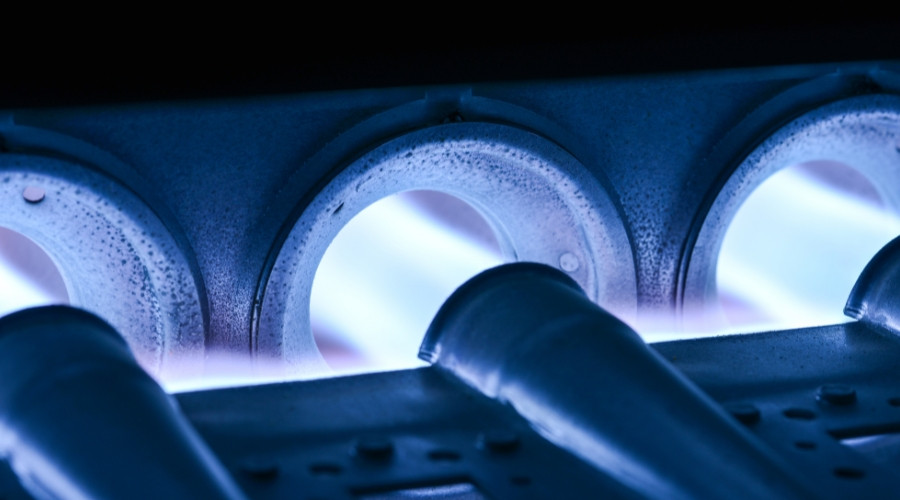
When temperatures drop, a dependable furnace keeps living spaces comfortable, but excessive heat inside the system can quickly turn that comfort into a hazard. A furnace overheating can damage components, drive up repair costs, and even create dangerous conditions for residents. This overview explains the main risks of an overheating furnace, the warning signs that indicate a system is starting to overheat, and simple steps that help prevent problems through basic care and professional furnace maintenance.
Risks of an Overheating Furnace
A furnace is engineered to operate within a specific temperature range. When parts repeatedly overheat, metal can warp, wiring insulation can fail, and motors may burn out. That kind of stress often leads to expensive service calls or even early furnace replacement long before the expected lifespan ends.
Safety concerns increase as temperatures climb. Excessive heat inside the cabinet can ignite nearby dust or stored items, raising the risk of a residential fire. Overheating can also crack the heat exchanger, allowing carbon monoxide to leak into occupied rooms. Prolonged exposure to this gas can result in carbon monoxide poisoning, especially if detectors are missing or not working. Left unchecked, chronic furnace overheating shortens equipment life and can leave rooms cold during bad weather.
Signs of an Overheating Furnace
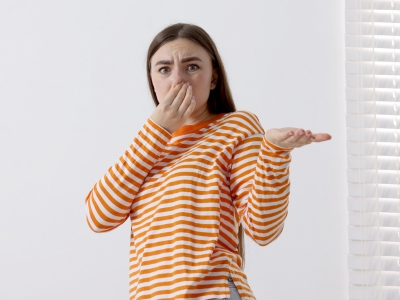 Recognizing early warning signs makes it easier to address issues before major damage occurs. One common symptom is a persistent burning smell while the system runs, especially if the odor resembles scorched plastic or hot metal. That smell may signal wiring, dust, or internal components getting too hot.
Strange sounds also deserve attention. A loud humming, buzzing, or grinding noise from the cabinet can indicate a blower or fan working under strain. Another key sign is short cycling, when the furnace starts but fails to complete a full heating cycle and shuts off unexpectedly. Often, internal safety switches prevent the system from overheating by cutting power. Frequent breaker trips during furnace operation or visible discoloration on the housing are additional clues that temperatures inside the unit are higher than they should be.
Ways to Prevent a Furnace From Overheating
 Preventive care goes a long way toward avoiding an overheating furnace. Regular furnace filter replacement is one of the simplest and most effective steps. A clogged furnace filter restricts airflow across the heat exchanger, trapping hot air and forcing the blower motor to work harder, which encourages parts to overheat. Inspecting the filter often and installing a clean one whenever it looks dirty keeps air moving freely.
Scheduled furnace maintenance with a qualified technician adds another layer of protection. During a tune-up, the technician can clean burners, verify fan performance, check the heat exchanger for cracks, and test safety switches and venting for issues related to carbon monoxide. Keeping supply and return vents unblocked, maintaining clear space around the furnace cabinet, and testing smoke and carbon monoxide alarms regularly all help reduce the risk of fire or undetected overheat conditions.
About AQS Heating & Air Conditioning
The licensed and background-checked professionals at AQS Heating & Air Conditioning provide a comprehensive range of HVAC services to meet the needs of Hemet and the surrounding areas. They offer professional and efficient same-day service from trusted technicians. Call them today for straightforward pricing on furnace tune-ups and repairs in Hemet, CA.