Winter hearing health refers to the specific ways cold weather, seasonal infections, and indoor living affect ear function and hearing-device performance, and why timely monitoring matters. Cold air and more frequent upper respiratory infections change ear physiology—altering blood flow, clogging eustachian tubes, and increasing earwax—while colder temperatures and moisture can degrade hearing aid batteries and electronics. Early detection through regular hearing check-ups prevents temporary declines from becoming persistent problems, preserves comfort and communication, and reduces the risk of untreated infections or device failures. This article explains how cold weather affects hearing, identifies common winter symptoms to watch for, and outlines proactive ear-care and hearing-aid maintenance strategies to protect your hearing all season. You will also learn what to expect during a winter-focused hearing test and where to access local audiology services in Charlotte and Rock Hill for free hearing tests, repairs, and tinnitus support. By the end, you’ll have clear, actionable steps to preserve hearing health during winter and practical guidance for scheduling professional help if needed.
How Does Cold Weather Affect Your Hearing Health in Winter?
Cold weather affects hearing health by changing ear physiology and stressing hearing devices, which together increase the chance of temporary hearing changes and device malfunctions. Reduced local blood flow in the outer ear and colder ambient temperature can make the ear canal feel full and may slightly alter conductive thresholds, while wintertime colds and flu increase eustachian tube dysfunction and middle-ear congestion. Hearing aids face shorter battery life, condensation inside microphones and receivers, and increased earwax transfer as people use earmuffs or hats, all of which reduce sound quality. Understanding these combined physiological and device impacts helps prioritize timely check-ups and winter-specific maintenance to preserve hearing clarity and device reliability.
Winter impacts on ears and devices include several distinct mechanisms:
Reduced peripheral blood flow: Cold causes vasoconstriction that can temporarily change sound perception and ear comfort.
Eustachian tube dysfunction: Upper respiratory infections common in winter lead to pressure changes and muffled hearing.
Device performance issues: Moisture and cold reduce battery efficiency and can cause intermittent aid failure.
Physiological factors affecting the ear in winter include increased earwax consistency and adherence, which raises the risk of impaction and muffled hearing; peripheral vasoconstriction of blood flow, which can cause temporary threshold shifts and ear sensitivity; and impaired Eustachian tube function, which reduces middle ear ventilation and increases the risk of fluid buildup and infection. Would you like to know how to mitigate these winter impacts on ear health?
What Are the Common Winter Hearing Loss Symptoms and Causes?
Common winter hearing symptoms include muffled or reduced clarity, a sensation of fullness, intermittent ringing (tinnitus), and ear pain that may signal an underlying infection or wax blockage. Each symptom has common winter-related causes: muffled hearing often arises from earwax impaction or middle-ear fluid, fullness can reflect eustachian tube pressure changes after colds, and worsening tinnitus may follow increased stress, cold exposure, or device malfunction. Red flags that require prompt audiologist or medical attention include sudden severe hearing loss, severe pain, bleeding, or symptoms accompanied by fever, which could indicate acute infection. Early evaluation helps distinguish reversible causes—like wax removal or device repair—from conditions needing medical treatment, so timely testing prevents complications and restores hearing quickly.
Why Are Ear Infections More Frequent During Winter Months?
Ear infections increase in winter because respiratory viruses and bacteria spread more readily indoors, leading to more frequent colds and flu that travel to the middle ear via the eustachian tube. The mechanism is straightforward: inflammation in the nose and throat blocks normal eustachian tube function, trapping fluid in the middle ear where bacteria or viruses can multiply, producing pain, reduced hearing, and sometimes fever. Close-contact indoor activities and seasonal immune stress make such infections more likely, and untreated middle-ear fluid can cause persistent hearing changes. Preventive steps—like treating colds promptly, avoiding cigarette smoke exposure, and seeking audiologist or medical assessment when hearing changes occur—help break this chain and protect long-term hearing, as described in the next section on when to schedule a professional check-up.
Why Should You Schedule a Winter Hearing Check-Up with an Audiologist in Charlotte, NC?
Scheduling a winter hearing check-up with an audiologist offers early detection of both physiological and device-related problems, and provides targeted solutions that restore hearing and prevent complications. An audiologist evaluates ear health, removes obstructive earwax safely, tests hearing thresholds, and inspects hearing aids for moisture damage or microphone blockage, delivering personalized treatment plans that reflect seasonal risks. For residents in Charlotte and nearby areas, audiologist-led services are especially valuable because they combine diagnostic testing with device maintenance, fittings, and counseling to address winter-specific issues. Hearing Healthcare Centers offers audiologist-led services including free hearing tests, hearing aid evaluations, fittings, adjustments, cleaning, and repair to support winter hearing health and ensure devices perform reliably during colder months.
Audiology evaluation during winter focuses on preventing small, time-sensitive problems from becoming permanent, and the next subsection explains exactly what to expect during a free winter hearing test.
What Happens During a Free Hearing Test in Winter?
A free hearing test in winter is a focused, audiologist-led visit that typically includes intake questions, otoscopic inspection, objective hearing measurement, and professional counseling about next steps. The sequence is simple and reassuring:
Intake & symptom review: You describe winter-related concerns such as recent colds, muffled hearing, or tinnitus.
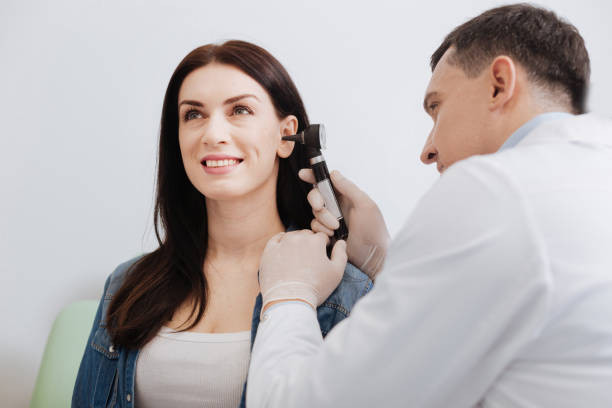
Otoscopy: The clinician inspects the ear canal and eardrum for wax, fluid, or signs of infection.
Pure-tone audiometry: Threshold testing determines the softest sounds you can hear across frequencies.
Counseling & plan: Results are explained and follow-up actions—wax removal, device service, or medical referral—are recommended.
A typical visit takes under an hour and ends with clear guidance and, if needed, scheduling for follow-up care. To make it easy to act, you can schedule a free hearing test with Hearing Healthcare Centers at a nearby location in Charlotte or Rock Hill using the clinic’s online scheduler or by checking the clinic’s local business listing for appointment methods. This straightforward process reduces uncertainty and gets seasonal issues addressed quickly.
How Can Audiologists Detect and Prevent Winter-Related Hearing Problems Early?
Audiologists detect winter-related problems using a combination of clinical inspection, objective tests, and device diagnostics to separate physiological causes from hearing-aid issues, then apply preventive measures to avoid recurrence. Common detection tools include otoscopy to visualize wax or fluid, tympanometry to measure middle-ear pressure, and real-ear or functional gain measures to verify hearing aid performance. Preventive interventions include professional wax removal, recommending moisture-management accessories, reprogramming devices to compensate for winter-related changes, and scheduling regular maintenance appointments. By combining diagnostics with tailored maintenance and patient education, audiologists prevent repeat visits and reduce device downtime, which preserves communication and quality of life through the winter season.
How Can You Protect Your Ears and Hearing Aids During Cold Winter Months?
Protecting ears and hearing aids in winter requires both personal ear care to reduce infection and wax buildup and device-care practices to prevent moisture and battery problems. Cold exposure and indoor heating increase wax consolidation and static, while cold air shortens battery life and encourages condensation in microphones and receivers. Effective protection blends behavioral steps—like keeping ears warm and treating colds early—with device measures such as using drying kits, storing batteries at room temperature before use, and scheduling professional cleanings. These combined strategies maintain hearing clarity and prevent avoidable repairs
Here are practical winter ear-care actions to reduce risk and support hearing:
Keep ears warm: Wear earmuffs or a hat to reduce direct cold exposure and vascular constriction.
Avoid inserting objects: Do not use cotton swabs; they push wax deeper and increase impaction risk.
Address colds promptly: Treat nasal congestion early and seek assessment if hearing changes persist.
Regularly applying these habits reduces infection and wax complications, and the next subsection covers device-specific maintenance to keep hearing aids functioning through winter.
To ensure optimal performance and longevity of the device, it is recommended to address Water resistance by using aids with moisture-resistant design and adding protective sleeves for wet days, to mitigate challenges related to Battery type performance in the cold by keeping spare batteries warm and changing them proactively during cold spells, and to manage Moisture control by utilizing nightly drying boxes or silica pouches to remove condensation.
This comparison clarifies which hearing-aid features and accessories reduce winter failures and which simple steps users can adopt. Pairing personal ear care with device-level protections offers the best winter performance.
What Are the Best Ear Care Tips for Winter to Prevent Hearing Loss?
Best ear-care tips for winter focus on preventing wax impaction, reducing infection risk, and recognizing red-flag symptoms that require professional evaluation. Daily habits include keeping ears dry after exposure to moisture, avoiding cotton swabs that push wax inward, and treating nasal congestion promptly to maintain eustachian tube function. If you notice persistent muffled hearing, sudden changes, severe pain, or discharge, seek evaluation quickly because these signs can indicate infection or device-related issues. Adopting preventive habits and early assessment both preserve hearing and reduce the need for more invasive treatments, which is why routine seasonal check-ups are recommended.
How Should You Maintain Hearing Aids to Ensure Optimal Winter Performance?
Maintaining hearing aids in winter means minimizing moisture, protecting batteries from cold, and scheduling frequent professional cleanings and checks to catch problems early. Daily steps include wiping devices after outdoor use, storing them overnight in a drying kit, removing and warming batteries before insertion, and keeping devices in a dry, room-temperature location during use pauses. If devices show distortion, reduced volume, or intermittent sound, bring them in for professional cleaning and inspection rather than attempting home repairs. Proactive maintenance prevents communication breakdowns and extends device lifespan, and local clinics can provide cleaning, adjustments, and repairs when needed.
Where Can You Get Reliable Winter Hearing Health Services and Free Hearing Tests Near You?
Reliable winter hearing services are available locally for residents of Charlotte and Rock Hill, and include free hearing tests, diagnostic evaluations, hearing aid cleaning and repair, fittings, and tinnitus treatment tailored to seasonal needs. Choosing a local audiology provider ensures timely wax removal, device maintenance, and same-season follow-up when winter problems arise, reducing downtime and avoiding prolonged hearing changes. For practical access, search local listings or the clinic’s local business profile to confirm the nearest location and appointment options; many practices offer online scheduling and walk-in availability during seasonal demand. Clear instructions on what to bring and how to prepare for a winter check-up make the process efficient and stress-free, which we outline in the following service and scheduling subsections.
What Winter Hearing Services Does Hearing Healthcare Centers Offer in Charlotte and Rock Hill?
Hearing Healthcare Centers offers a range of winter-relevant services designed to diagnose and resolve seasonal hearing problems quickly and compassionately. Core winter services include free hearing tests to screen for changes after colds, hearing aid evaluations and fittings to address performance drops, professional cleaning and repair to remove moisture-related clogging, and tinnitus management for winter flare-ups. These services are delivered with a patient-focused approach and local presence across Charlotte-area and Rock Hill locations to ensure rapid access during the winter months. Knowing these options helps you choose the right early intervention to keep hearing and devices functioning reliably.
How Do You Schedule Your Free Winter Hearing Check-Up with Local Audiologists?
Scheduling a free winter hearing check-up is a simple three-step process that removes barriers to care and gets you back to reliable hearing quickly. First, identify the nearest clinic location in Charlotte or Rock Hill and confirm available appointment methods through the clinic’s local business listing or online scheduler. Second, book the free hearing test and note basic preparation: bring any hearing aids, a list of current symptoms, and recent medical history for the visit. Third, arrive for your appointment prepared for intake, otoscopic exam, hearing testing, and a clear follow-up plan; if device maintenance is needed, the clinic can often perform cleaning or same-day minor repairs. Taking these steps ensures you get professional support promptly and minimizes winter-related disruption to hearing and daily life.