Winter brings a distinct set of home-security challenges that increase the odds of opportunistic burglaries, but effective alarm systems reduce those risks by providing visible deterrence, reliable detection, and fast response. This article explains why winter conditions matter for home safety and shows how alarm features — from battery backup to monitored cameras — deliver concrete protection and peace of mind. You will learn seasonal risk drivers, how alarm technologies deter crime, which system types perform best in Florence, SC’s conditions, and practical maintenance steps to prepare for cold-weather threats. The guidance emphasizes actionable steps homeowners can take today, paired with local service options where professional installation or servicing is needed. Along the way we use terms like wired burglar alarms, wireless systems, battery backup, weather-resistant cameras, and 24-hour monitoring to keep recommendations specific and useful. By the end, readers will have a prioritized checklist and clear criteria for choosing and maintaining a winter-ready alarm system.
Why Do Winter Months Increase the Risk of Burglaries?
Shorter daylight, holiday absences, and increased parcel deliveries create more opportunities for theft in winter, and these conditions change how burglars select targets and when they strike. Darkness extends the hours when intruders can approach a property without being seen, while holiday travel often leaves homes unattended for extended periods, creating attractive targets. Higher volumes of package deliveries and porch visibility issues add low-effort theft vectors that occur when homeowners are not present to intercept packages. Understanding these winter-specific drivers helps homeowners prioritize lighting, monitoring, and rapid alert systems to reduce vulnerability and improve situational awareness. The next section explains how those systems work in practice to deter criminals and speed recovery.
How Do Shorter Daylight Hours and Holiday Travel Affect Home Security?
Short daylight increases concealment and timing flexibility for burglars, making entry during early evenings more common and harder to detect. Holiday travel compounds risk by creating predictable windows of vacancy that experienced criminals watch for, and by reducing the immediate oversight neighbors might otherwise provide. Simple mitigations such as automated lighting schedules, timed blinds, and neighbor check-ins reduce visible signs of vacancy and interrupt patterns criminals rely on. These measures also integrate with alarm systems — for example, smart lighting tied to an alarm can simulate occupancy when the house is empty. Implementing these tactics increases the effort required for a successful break-in, which often deters opportunistic thieves.
What Local Winter Crime Trends Impact Florence, SC, and the Pee Dee Area?
Local crime patterns vary, but Florence and the wider Pee Dee area experience the same seasonal factors that increase opportunity in other regions: reduced daylight, holiday travel, and concentrated delivery activity. Homeowners should consult local police reports and community alerts for up-to-date trends, while recognizing that many preventive measures are universal and applicable locally. Neighborhood watch participation and coordinating with nearby residents for parcel retrieval further reduce local risk, and local installers familiar with regional conditions can advise on sensor placement and outdoor hardware selection. Combining community awareness with technology creates layered defenses that adapt to local patterns without relying on any single control.
How Do Alarm Systems Effectively Deter Winter Burglaries?
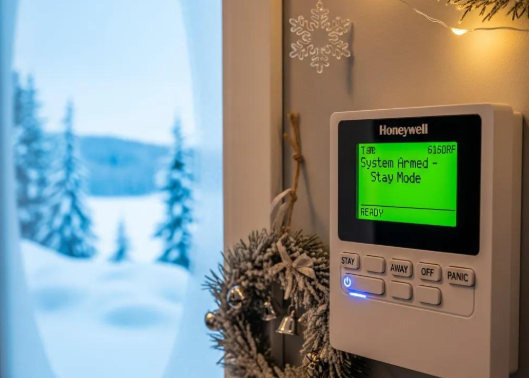
Alarm systems deter winter burglaries through a combination of visible presence, reliable detection, verified alerts, and monitored response that shortens the window for successful theft. Visible signage, exterior cameras, and prominent control panels increase the perceived risk for criminals, while motion sensors and door/window contacts detect attempts and trigger warnings. Monitored systems add verification and can dispatch authorities or notify owners quickly, reducing damage and theft loss. Integration with smart devices enables remote checks when homeowners travel, providing continuous oversight and evidence capture. Below is a feature-to-benefit mapping that clarifies how common system elements reduce burglary risk in cold months.
Introductory mapping of alarm features to deterrence benefits and expected winter outcomes.
Visible cameras & signage
Characteristic: Prominent, weather-rated placement
Benefit: Reduces the chance of attempted entry by increasing perceived detection.
Monitored alarm panels
Characteristic: 24-hour alerting and verification
Benefit: Ensures faster dispatch and evidence collection when the owner is away.
Motion sensors & contacts
Characteristic: Immediate local alarm activation
Benefit: Alerts neighbors and scares off intruders before they can enter.
Battery backup
Characteristic: Keeps system running during outages
Benefit: Maintains protection during winter storms and power failures.
This list shows that layering visible deterrents with monitored response and power resilience directly reduces successful burglary attempts and speeds recovery when incidents occur.
The fundamental types of alarm systems and their detection capabilities are a key consideration for any comprehensive security strategy.
What Features Make Alarm Systems Reliable in Cold Weather?
Reliable cold-weather performance depends on battery backup, weather-rated outdoor equipment, and sensors calibrated to avoid false alarms from temperature swings. Backup batteries keep control panels, wireless sensors, and communications modules online through winter storms or brief outages, ensuring monitoring centers receive alarms. Outdoor cameras with weather-resistant housings and heaters or insulation prevent lens fogging and malfunction in damp, cold conditions; proper mounting angles and enclosures reduce condensation and snow occlusion. Sensor tolerance and firmware that adjusts sensitivity reduce false positives caused by temperature-related contraction or small animals moving in leaf litter, making systems both dependable and less likely to be disabled by nuisance alarms. Choosing components rated for regional weather and maintaining power redundancy are core to winter reliability.
How Does 24-Hour Monitoring Enhance Winter Home Security?
24-hour monitoring provides continuous oversight, alarm verification, and an immediate escalation path when owners are away for holiday travel or during overnight hours when burglaries are more likely. Monitoring centers assess alarm signals, contact homeowners when possible, and can summon emergency responders if a verified intrusion is detected, shortening response time compared with owner-only alerts. For homes with frequent deliveries or seasonal occupancy changes, monitoring reduces the dependence on neighbors to check status and provides documented incident records for police and insurance. When paired with weather-hardened hardware and camera evidence, monitored systems form a resilient backbone for winter protection and quick resolution.
After explaining these deterrence mechanisms in detail, homeowners may want a local, professional partner to implement them reliably. Butler Alarm Florence is a local security installer serving Florence, SC and the Pee Dee area; they install Honeywell-based burglar alarm systems, set up camera systems and access control, provide 24-hour monitoring services, and service existing alarms. Their local-ownership model means calls are answered by local owners, and they offer a one-year parts-and-labor warranty on covered work. For residents who prefer working with a nearby company that understands regional conditions and provides hands-on support, these local capabilities translate the described deterrence features into practical installations and ongoing coverage.
Which Alarm Systems Are Best Suited for Winter Home Security in Florence, SC?
Selecting a winter-ready alarm involves balancing power reliability, sensor compatibility, installation complexity, and maintenance needs; wired, wireless, and hybrid systems each offer trade-offs for Florence-area homes. Wired systems often provide continuous power and lower battery dependence at fixed points, which can be an advantage in long-term reliability, while wireless systems offer flexibility for retrofit homes and easier camera or sensor placement. Hybrid systems combine hardwired panels with wireless peripherals and battery backups to gain both resilience and flexibility. Professional assessment helps match building construction, existing wiring, and homeowner needs to the appropriate system type.
Introductory comparison of typical system classes for winter use.
Wired Systems
Cold-Resilience: High (low battery dependence)
Installation Complexity: High (requires panel wiring)
Battery Backup: Panel-backed
Suitability: Best for remodels or new builds with accessible wiring
Wireless Systems
Cold-Resilience: Medium (battery-dependent)
Installation Complexity: Low (plug-and-play sensors)
Battery Backup: Sensor batteries required
Suitability: Best for rentals or retrofit situations needing flexibility
Hybrid Systems
Cold-Resilience: High (combines both wired and wireless strengths)
Installation Complexity: Medium
Battery Backup: Mixed (panel + sensor)
Suitability: Best where reliability and flexibility are both priorities
This comparison clarifies that hybrid approaches often offer the strongest winter balance by retaining wired reliability while allowing wireless placement flexibility.
What Are the Advantages of Honeywell Burglar Alarms for Cold Weather?
Honeywell alarm panels and compatible peripherals are widely used and valued for broad device compatibility, firmware support, and a large ecosystem of weather-rated sensors and cameras. Because Honeywell systems support a wide range of contact types and monitoring interfaces, integration of battery backup modules, weather-resistant cameras, and access control is straightforward. This compatibility simplifies phased upgrades and repairs so homeowners do not need wholesale replacement to add cold-resistant components. Local installers who work with Honeywell systems can leverage that ecosystem to match specific winter-ready hardware to a home’s layout and monitoring plan.
Should You Choose Wired or Wireless Systems for Winter Protection?
Wired systems reduce dependence on multiple battery-powered devices, which can be advantageous during extended cold snaps, but require more invasive installation and are less flexible for later layout changes. Wireless systems are easier to expand and reposition, but they demand a strict battery maintenance regime and careful choice of sensors rated for temperature extremes. Hybrid systems provide an intermediary: critical zones (like main doors and panels) wired for power and communications, with wireless sensors for outbuildings or temporary needs. Homeowners should evaluate their tolerance for ongoing battery checks, the feasibility of wiring runs, and the advantage of local professional service when deciding.
How Can Homeowners Maintain and Upgrade Alarm Systems for Winter Readiness?
Preparation before winter greatly reduces failures during storms and holiday absences; a short checklist focuses attention on batteries, sensors, camera clarity, and software/monitoring checks. Home maintenance ensures the system remains responsive when conditions are worst, and upgrades address aging panels or incompatible peripherals that struggle in cold weather. The steps below prioritize quick actions that produce measurable reliability gains and readiness for winter storms or travel.
- Backup battery: Check the battery’s capacity and age. Test it and replace any batteries older than the manufacturer’s recommendation before winter.
- Door and window sensors: Ensure sensors are properly calibrated. Test contact closure and recalibrate sensitivity to prevent false alarms caused by cold temperatures.
- Outdoor cameras: Inspect the lens and housing. Clean the lenses, remove any snow or ice, and make sure the housings are sealed tightly to prevent moisture intrusion.
- Software and firmware: Update all system software/firmware and confirm compatibility. Verify that monitoring connectivity and notification preferences are working correctly.
This checklist targets the parts that most often cause winter outages and shows simple actions that preserve monitoring and detection capabilities.
What Are Best Practices for Winter Alarm System Maintenance?
Regularly test the entire system — arming, disarming, sensor triggers, and camera feeds — and perform this test after any firmware update or significant temperature change to ensure expected behavior. Replace backup batteries and portable sensor batteries proactively rather than waiting for low-battery warnings, because cold reduces battery capacity and can cause sudden failures. Keep camera lenses and housings free of condensation and snow by using appropriate mounts and clearing buildup after storms, and verify remote access credentials so owners can check live feeds while traveling. These practices reduce false alarms, maintain evidence capture quality, and preserve continuous monitoring during the months when power and weather challenges are most common.
Test systems monthly: Complete arming/disarming and sensor checks to confirm operation.
Replace batteries proactively: Swap batteries before extended cold or long absences.
Clear and inspect cameras: Remove snow/ice and check seals after storms.
How Does Butler Alarm Florence Support Existing Alarm Systems in Winter?
Local servicing and rapid response are valuable in winter when weather can cause outages or hardware faults, and Butler Alarm Florence offers services tailored to these needs, including servicing existing alarms and installing Honeywell systems. They provide 24-hour monitoring support and back covered work with a one-year parts-and-labor warranty, which helps homeowners address winter-related failures without unexpected repair hassles. Their local-ownership model, with owner-answered calls, supports faster coordination for seasonal checkups, sensor recalibration, and emergency service dispatch when needed. For homeowners seeking a nearby partner to implement the maintenance checklist and ensure winter-ready performance, local service provides practical continuity and peace of mind.